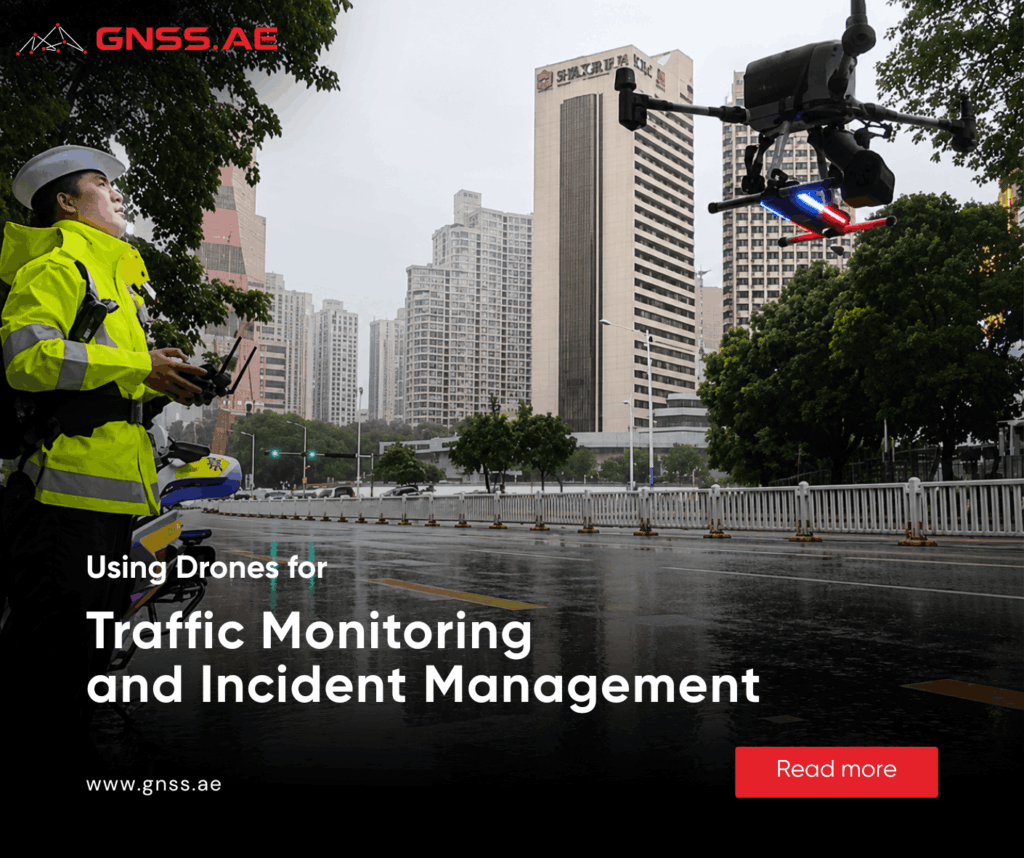
Traffic management is becoming more challenging as cities expand, vehicle numbers increase, and road networks operate closer to capacity. Traditional tools such as fixed CCTV cameras, roadside sensors, and ground patrols remain essential, but each has limitations when traffic conditions change quickly.
Drones provide a different perspective. By supplying real-time aerial data, they help traffic authorities, police units, and emergency responders understand what is happening on the ground, assess developing situations, and coordinate a faster response.
Whether monitoring congestion on major highways or supporting incident response, UAVs are increasingly being integrated into modern traffic management operations.
Real-time traffic observation is one of the most practical uses of drones in transportation management.
A UAV can be launched within minutes to provide an immediate overview of:
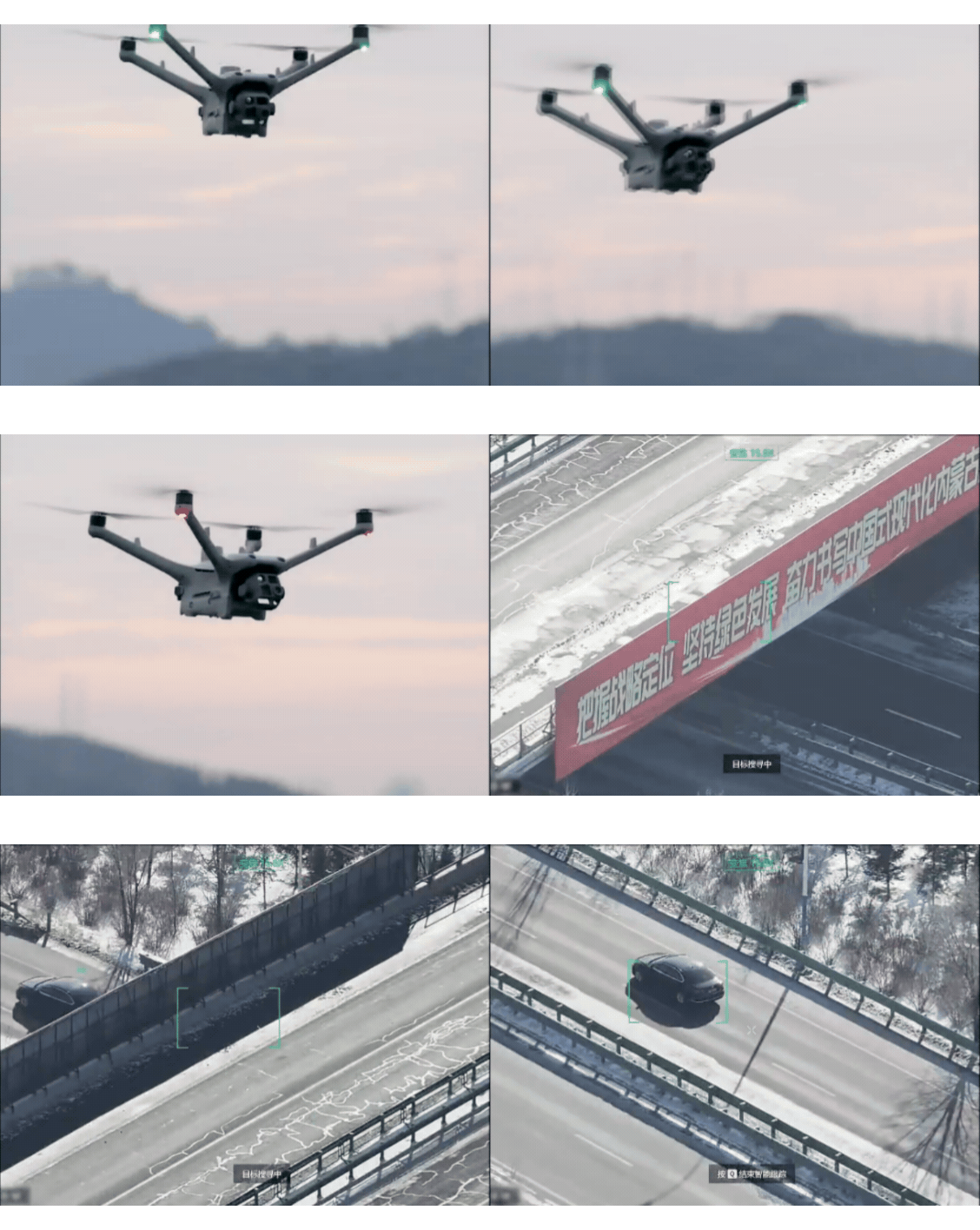
The aerial perspective can highlight developing congestion patterns that may be difficult to identify through individual fixed roadside cameras alone.
A practical example comes from the New York State Fair, where state police deployed dedicated drone teams to monitor traffic around the fairgrounds. Live video feeds were shared with the joint operations center, parking coordinators, emergency management personnel, and officers in the field. The aerial view helped teams identify emerging congestion, track parking availability, and adapt traffic control measures as conditions evolved.
Officers involved in the operation noted that requests for specific views of entrances, exits, and parking areas could be addressed within seconds, giving field personnel timely information to support decision-making.
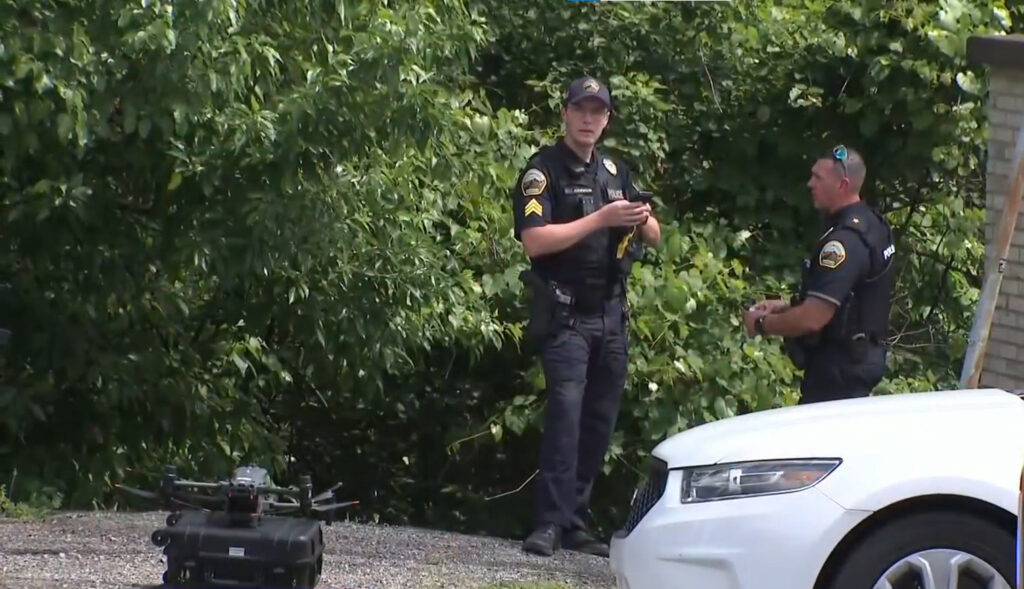
When a traffic incident occurs, one of the first priorities is establishing an accurate picture of the scene.
Dispatchers often rely on reports from motorists, witnesses, or roadside cameras, but the initial information can be incomplete, particularly on highways, rural roads, or complex interchanges.
A drone can quickly provide an overview of:
This early assessment helps responders determine what resources may be required before arriving at the scene.
During major incidents, the live aerial view can also support coordination between police, fire, medical, and recovery teams by giving everyone access to the same visual information rather than relying exclusively on radio updates.
In some situations, this broader perspective helps recovery crews assess the scene more efficiently and can shorten the time needed to reopen affected roadways.
Traffic control becomes considerably more complex during concerts, festivals, sporting events, and exhibitions.
Large numbers of vehicles often arrive within a relatively short period, creating temporary traffic patterns that differ from normal daily conditions and can quickly overwhelm nearby roads and parking areas.
Drones offer a practical way to monitor public events. They can be used to observe:
The New York State Fair deployment demonstrated how drones can support traffic management during large-scale events. Operators were able to observe traffic conditions several kilometers beyond the fairgrounds and identify where congestion was beginning rather than where it eventually became visible to drivers.
This broader perspective allows authorities to intervene earlier and reduce delays before traffic conditions deteriorate.
In addition to traffic management, drones are increasingly being used to support road safety enforcement.
Certain violations can be difficult to monitor using conventional patrol methods. Officers may not be able to position vehicles safely near the location, while roadside visibility can be restricted by terrain, infrastructure, or traffic conditions.
Police departments have used drones to observe:
Ross Township Police in Pennsylvania introduced drone-assisted stop-sign enforcement in areas where officers could not safely position patrol vehicles. The drone operator observed violations from the air and relayed information to officers located further down the road.
A similar approach has been used in Guangzhou, China, where traffic authorities deployed drones to identify drivers illegally using highway emergency lanes during peak travel periods. Officials reported that UAVs provided a wider operational picture than conventional roadside cameras and enabled faster detection of violations across large highway sections.
While privacy concerns are often raised whenever new surveillance technologies are introduced, many agencies operate drones under policies and regulations that define how aerial monitoring may be conducted and how collected data is managed.
The choice of UAV depends largely on the type of traffic operation being performed. Monitoring a highway incident, supporting routine enforcement, and managing traffic during public events place different demands on flight endurance, sensor capability, and deployment speed.
For transportation agencies, police departments, and emergency management teams that require extended coverage and flexible sensor configurations, the DJI Matrice 400 is well suited to large-scale operations.
Key advantages include:
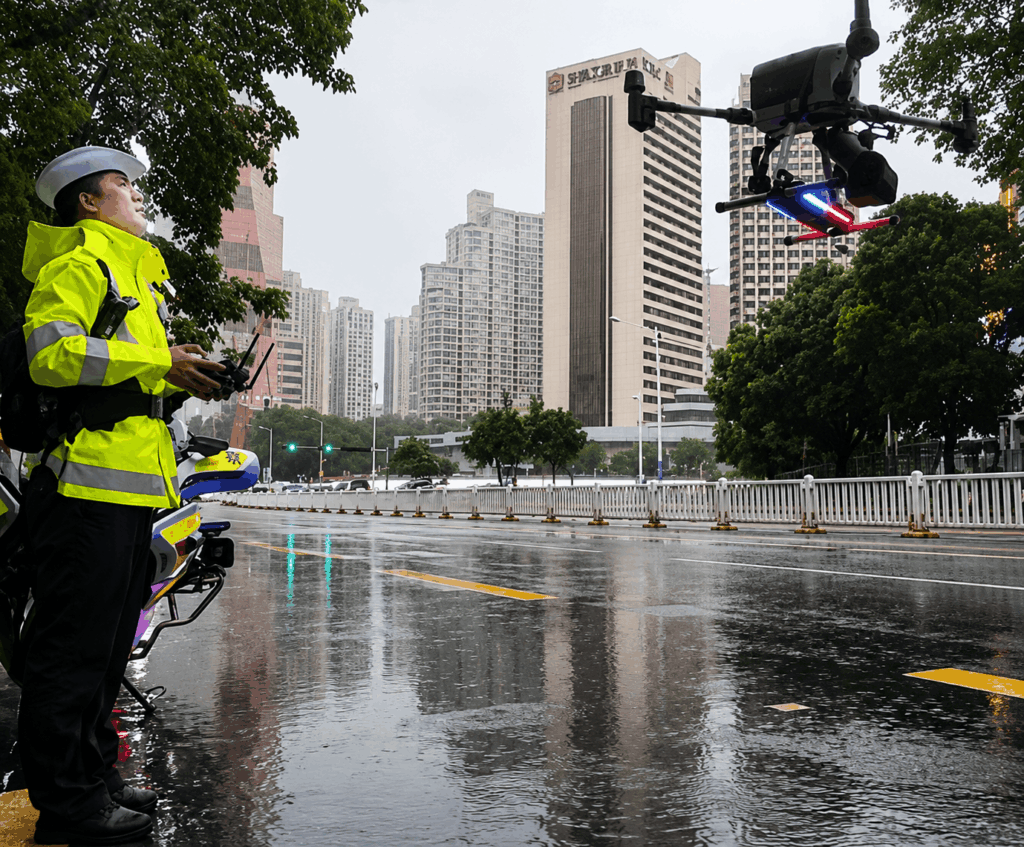
The platform is particularly effective for monitoring highways, large public events, major accidents, and critical infrastructure corridors.
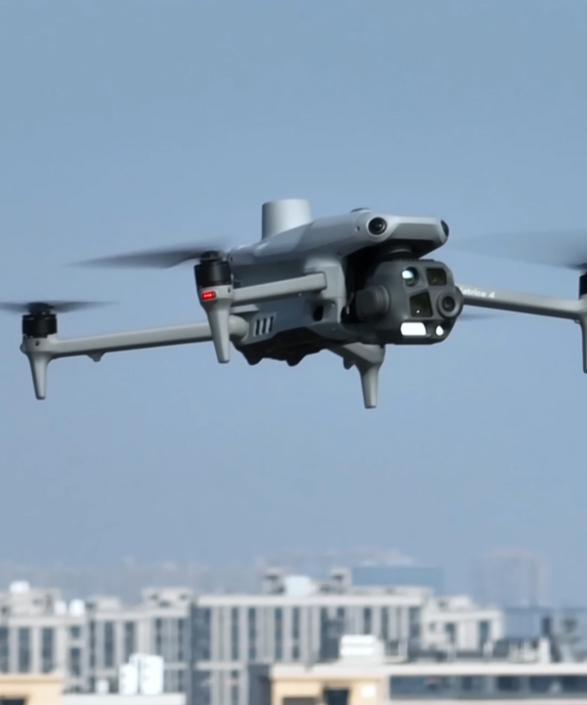
The DJI Matrice 4T offers a balance between portability and sensor capability.
With integrated zoom and thermal cameras, it can support traffic enforcement activities, incident documentation, and rapid assessment of changing conditions without the logistical requirements associated with larger aircraft.
Its compact form factor is particularly useful for police units conducting routine traffic operations and targeted enforcement activities.
The DJI Mavic 3 Enterprise remains a practical option for agencies that need a lightweight and rapidly deployable platform.
It can be launched within minutes and provides sufficient image quality for:
However, its payload flexibility and endurance are more limited than larger enterprise platforms.
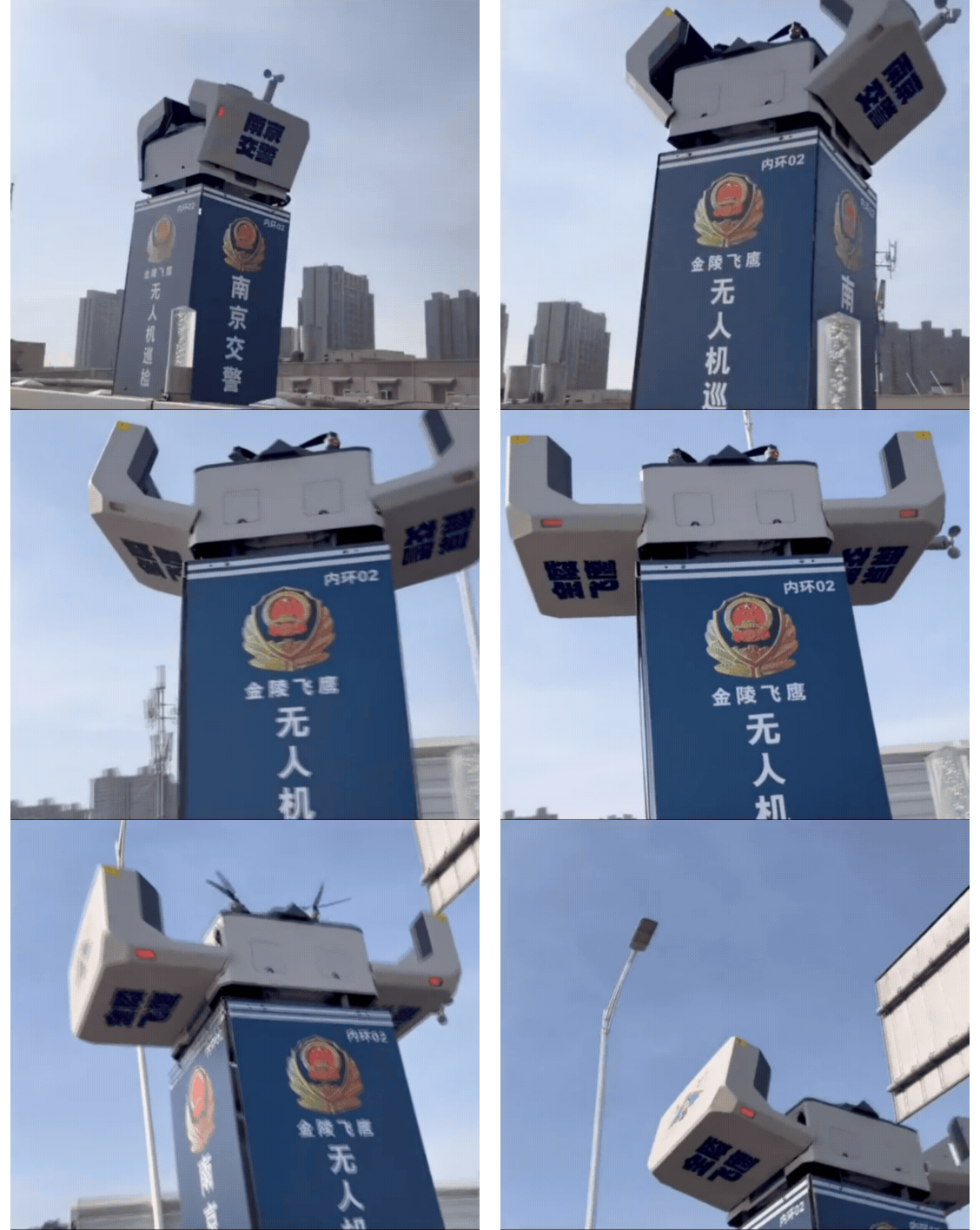
Traffic conditions can change within minutes, yet deploying a drone team to the scene often takes significantly longer. For agencies responsible for extensive transportation networks, this creates a need for aerial systems that can be activated immediately without requiring personnel on site.
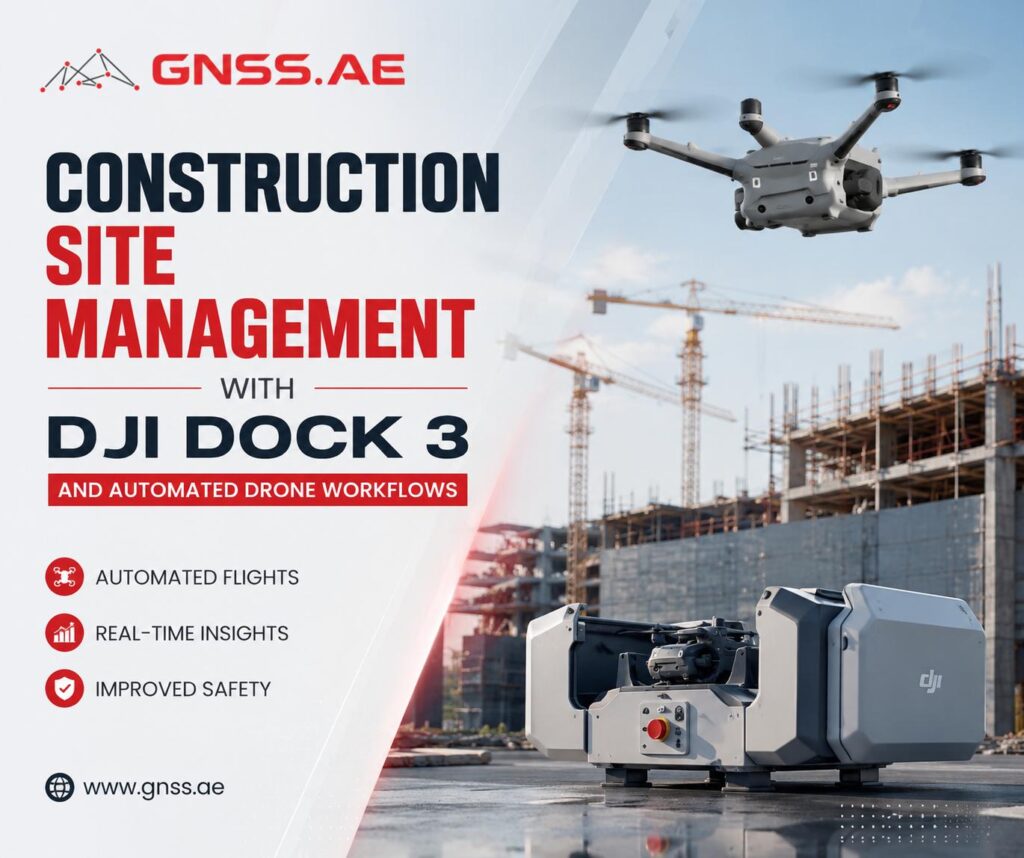
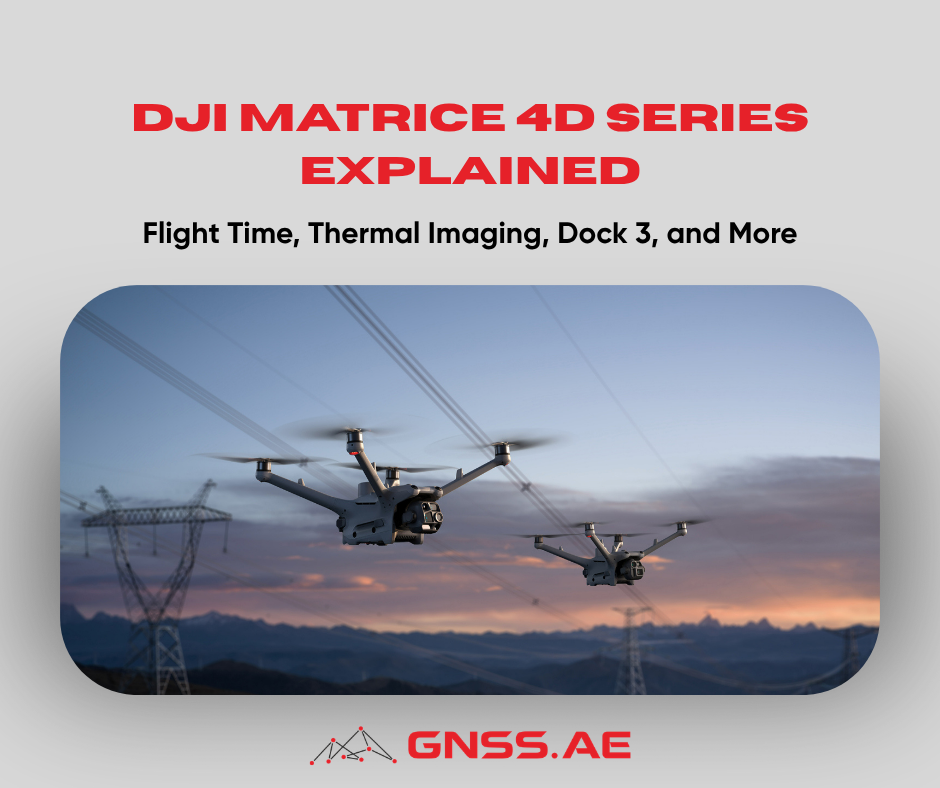
DJI Dock 3 addresses this requirement by storing, charging, and preparing either the Matrice 4D or Matrice 4TD for deployment between missions. When operators need to assess traffic conditions or verify a reported incident, the drone can be launched remotely to deliver live aerial imagery in near real time.
This capability is particularly valuable at locations that require frequent observation, including major intersections, highway corridors, bridges, tunnels, and long-term construction zones. It also enables decision-makers to gain an overview of accidents, congestion, or unexpected disruptions before ground units arrive, supporting faster and better-informed responses.
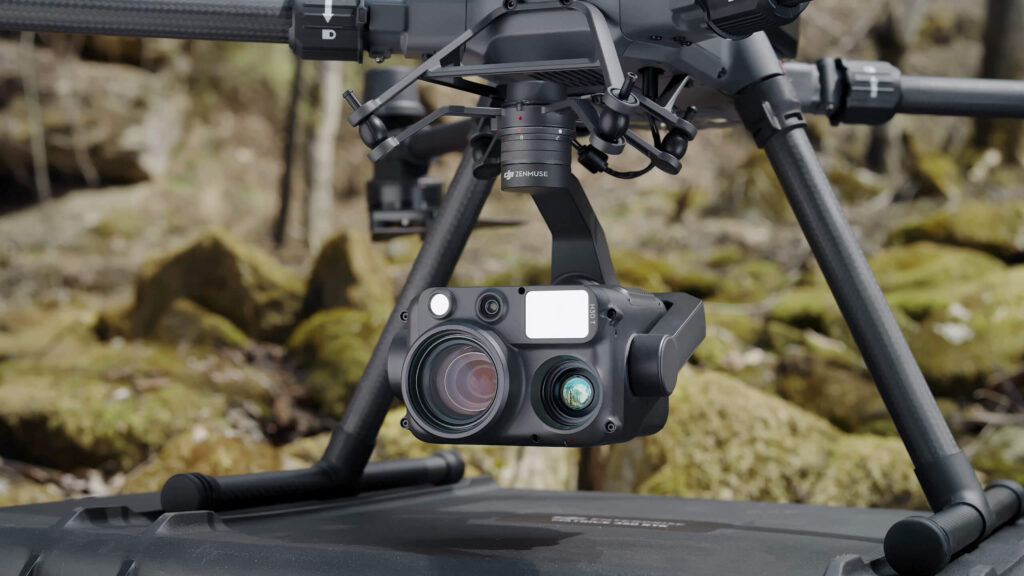
While drone platforms provide mobility and rapid deployment, the quality and type of information collected depend largely on the onboard payload. Operational requirements may range from long-range visual observation and thermal imaging to public-address functions and high-accuracy mapping for post-incident investigations.
The payloads below are commonly used in traffic monitoring and incident management applications.
Payload | Traffic Monitoring Use Case |
Incident detection, vehicle tracking, nighttime monitoring | |
Long-range visual monitoring | |
Public announcements, traffic incident communication, evacuation instructions | |
Night operations and accident scenes | |
Accident reconstruction, roadway asset mapping, and corridor surveys | |
High-resolution documentation of crash scenes |
Traffic management is evolving toward faster, data-driven decision-making. Transportation authorities increasingly rely on timely and accurate information to maintain traffic flow, coordinate resources, and respond effectively to incidents.
UAVs enhance existing infrastructure rather than replace it. Integrated alongside fixed cameras, roadside sensors, and patrol units, drones provide an on-demand aerial perspective that can be deployed precisely where it is needed.
As autonomous flight capabilities, dock-based operations, and AI-assisted analytics continue to advance, drones are expected to play a growing role in traffic monitoring and incident response.
For transportation agencies, public safety organizations, and emergency responders, the key challenge is no longer proving the value of UAVs. Instead, success will depend on how efficiently these technologies can be integrated into established operational workflows.