Methane is no longer just an operational concern for the energy industry — it has become a strategic issue linked to safety, ESG performance, emissions compliance, and infrastructure reliability.
Across oil & gas fields, LNG terminals, landfills, and urban utility networks, operators are under growing pressure to detect methane leaks earlier, faster, and with greater accuracy. Traditional inspection methods — manual patrols, handheld detectors, or fixed sensors — are often too slow, too limited in coverage, or too dangerous for modern industrial environments.
This is where the BLV BL-CH4 400 Methane Detector enters the picture.
Developed by BLV Tech, the BLV BL-CH4 400 UAV Laser Methane Leak Detector combines drone mobility, laser spectroscopy, cloud analytics, and real-time monitoring into a single aerial inspection platform designed for modern industrial operations.
According to the International Energy Agency (IEA) Methane Tracker, methane is responsible for nearly 30% of the global temperature rise since pre-industrial times.
For operators, methane leaks create multiple layers of risk:
In regions such as the Gulf, where infrastructure stretches across remote deserts, offshore assets, pipelines, and industrial corridors, inspection speed and coverage are becoming increasingly important.
This shift is driving adoption of UAV-based remote sensing technologies like the BLV BL-CH4 400.
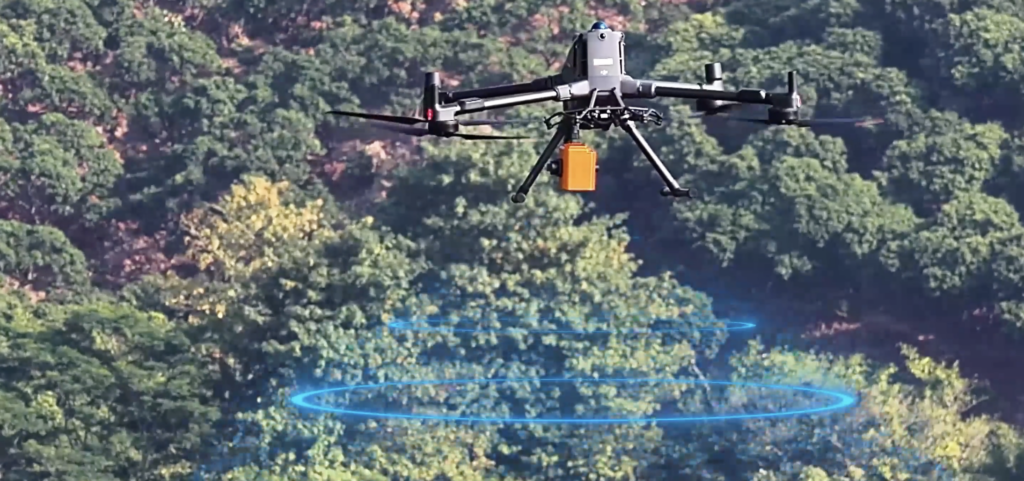
The BLV BL-CH4 400 UAV Laser Methane Leak Detector is a lightweight airborne methane sensing system designed specifically for enterprise drones such as the DJI Matrice 350 RTK and DJI Matrice 400 RTK.
Key specifications include:
Unlike traditional gas detectors that require close-range inspection, the BL-CH4 400 enables non-contact methane detection during flight.
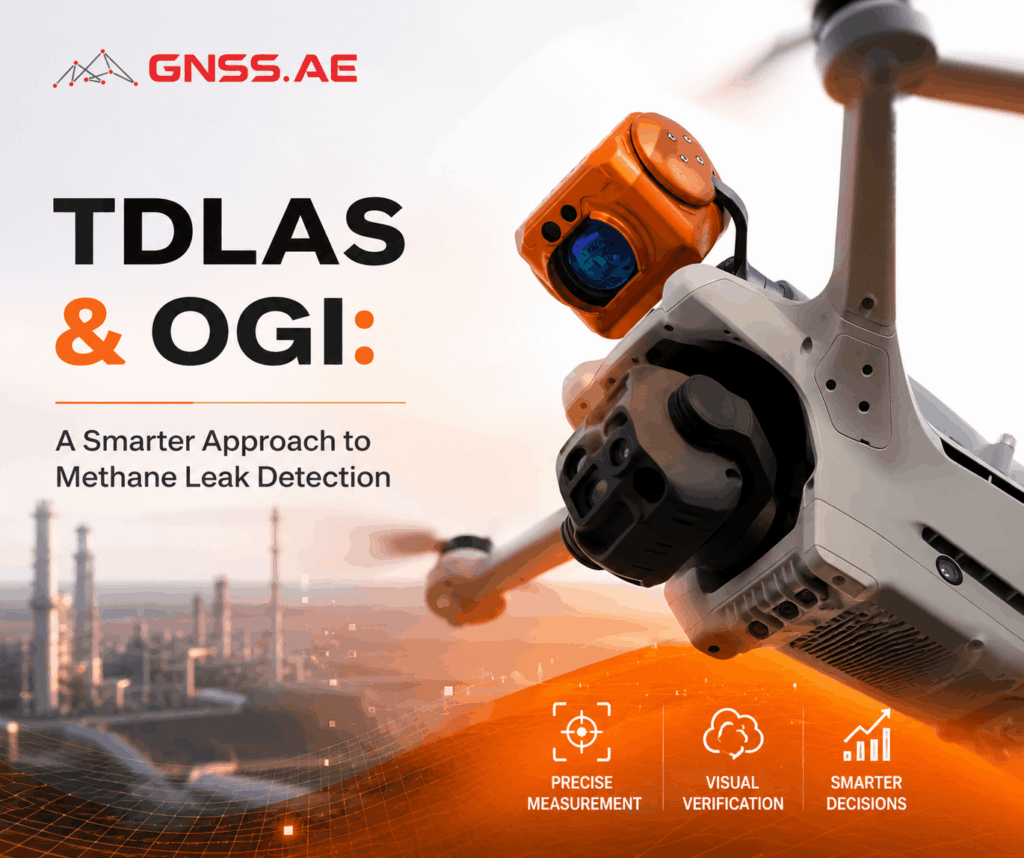
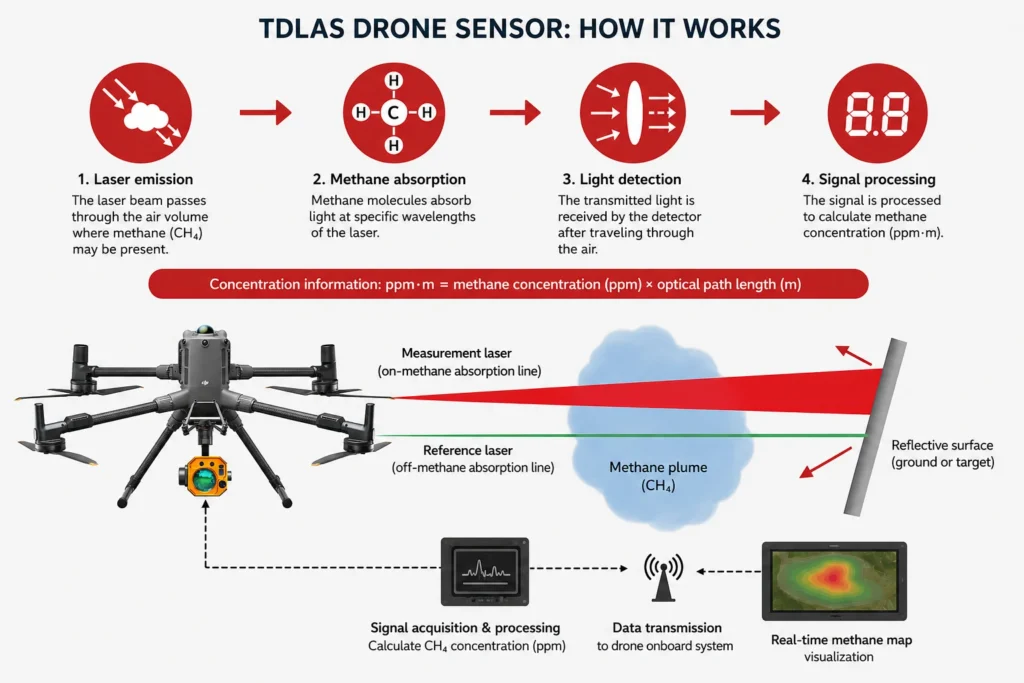
The BLV BL-CH4 400 uses Tunable Diode Laser Absorption Spectroscopy (TDLAS) — a technology widely used in industrial gas analysis and environmental monitoring.
Unlike conventional electrochemical sensors, TDLAS offers:
Traditional laser methane detectors typically scan a narrow line around 30 cm wide.
The BLV BL-CH4 400 introduces a major improvement:
This dramatically increases:
Especially during high-speed UAV flight.
Pipeline networks often extend across remote and difficult terrain.
Traditional inspections rely on:
The BLV BL-CH4 400 changes this model entirely.
Using autonomous UAV missions:
This transforms inspections from periodic operations into near-continuous monitoring workflows.
Complex industrial facilities contain:
The BLV BL-CH4 400 allows operators to:
This significantly improves:
One of the most interesting capabilities of the BLV BL-CH4 400 is residential gas inspection.
The detection laser can:
Each inspection takes approximately one second, enabling rapid large-scale urban safety surveys.
Landfill methane emissions are highly variable and difficult to measure using fixed sensors.
The BLV BL-CH4 400 enables:
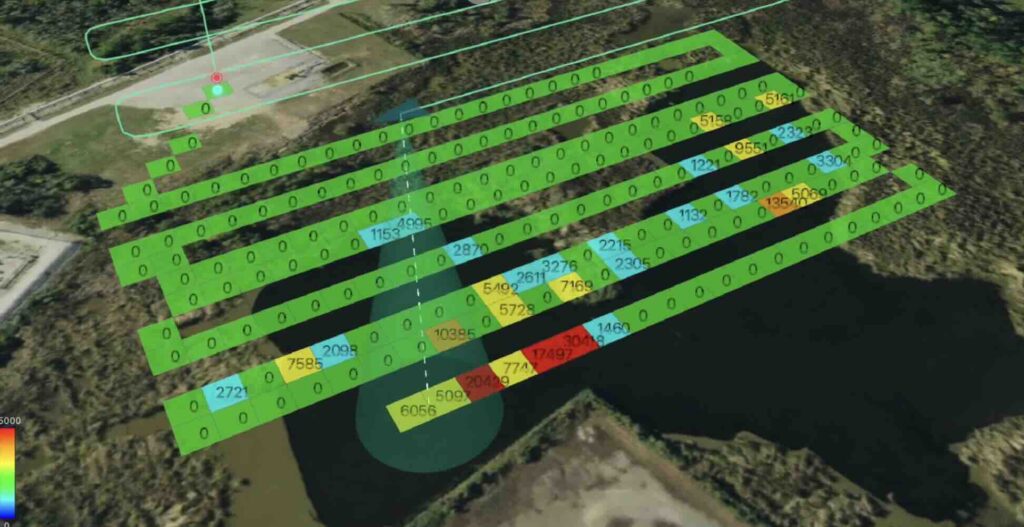
Operators can create concentration distribution maps and optimize methane capture systems more effectively.
A recent field validation published by BLV Tech demonstrated the BLV BL-CH4 400 operating in real inspection scenarios.
The footage highlights:
This kind of validation is important because industrial methane sensing systems must perform reliably outside laboratory conditions.
The BLV ecosystem includes:
Inspection data can be:
The system also supports:
The adoption of UAV methane sensing reflects a broader transformation across industrial operations.
Organizations are moving:
Methane detection is becoming part of a much larger digital asset-management ecosystem.
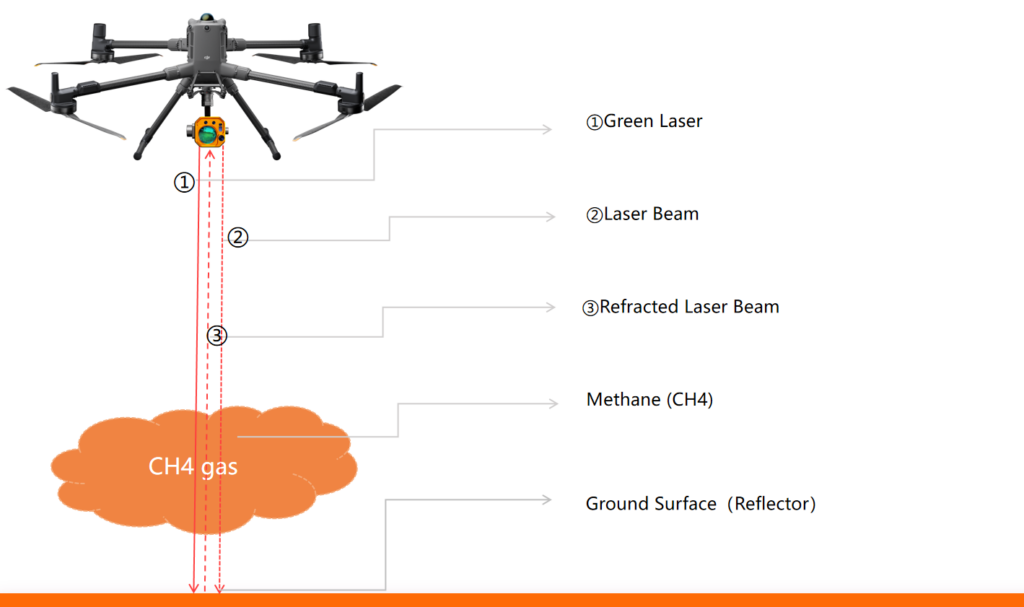
Traditional sensors require close proximity to the leak source. The BLV BL-CH4 400 performs remote laser-based detection from distances up to 300 meters.
ppm·m (parts per million × meter) represents gas concentration integrated across distance.
For example:
Can produce the same ppm·m reading.
The system supports enterprise UAV platforms including:
Yes. It supports:
The system response time is approximately 5 milliseconds, enabling real-time sensing even during fast UAV movement.
No. The system is designed for low-maintenance field deployment, with recommended calibration approximately every two years.