The application of drone-based gas detection has expanded beyond emergency responders and research initiatives. Today, utility operators, landfill owners, industrial facilities, and environmental agencies increasingly need a faster way to detect gas anomalies, document air quality, and inspect large areas that are difficult to cover from the ground.
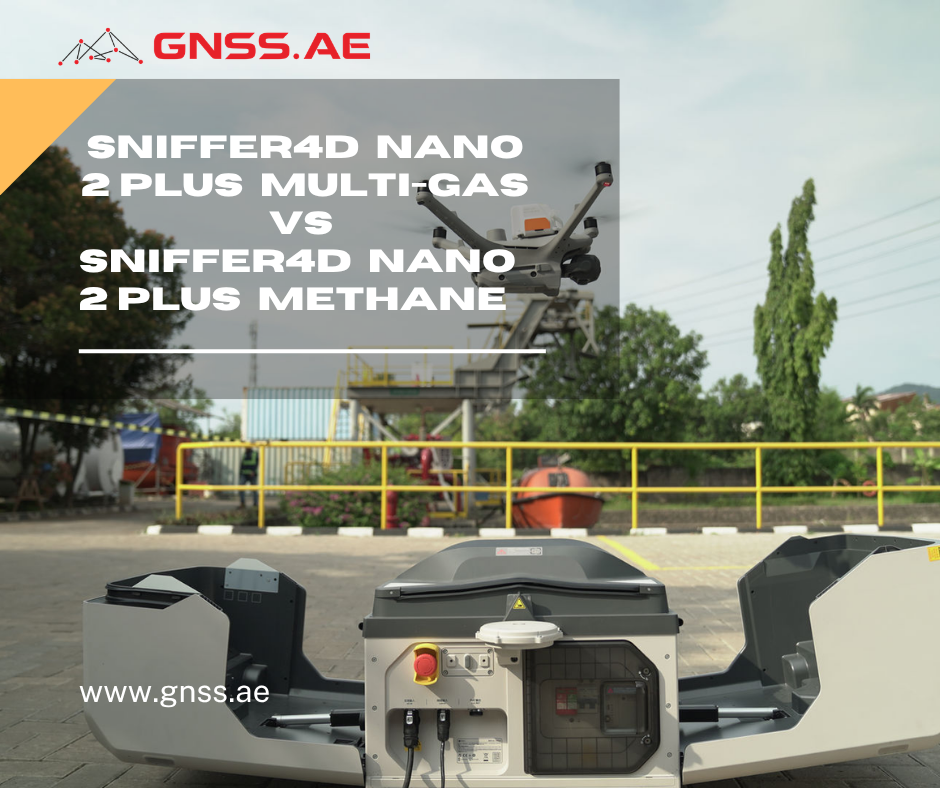
Among the commonly used payloads for these purposes are the Sniffer4D Nano 2 Plus Multi-Gas and the Sniffer4D Nano 2 Plus Methane sensors. At first glance, these devices appear similar: both integrate with DJI drones, provide real-time data streaming during flights, and support cloud-enabled data processing and reporting. But in practice, they are built for very different missions.
The Multi-Gas version is intended for broad environmental monitoring and industrial air-quality surveys. The Methane version is focused on one specific task: quickly identifying methane anomalies across large sites.
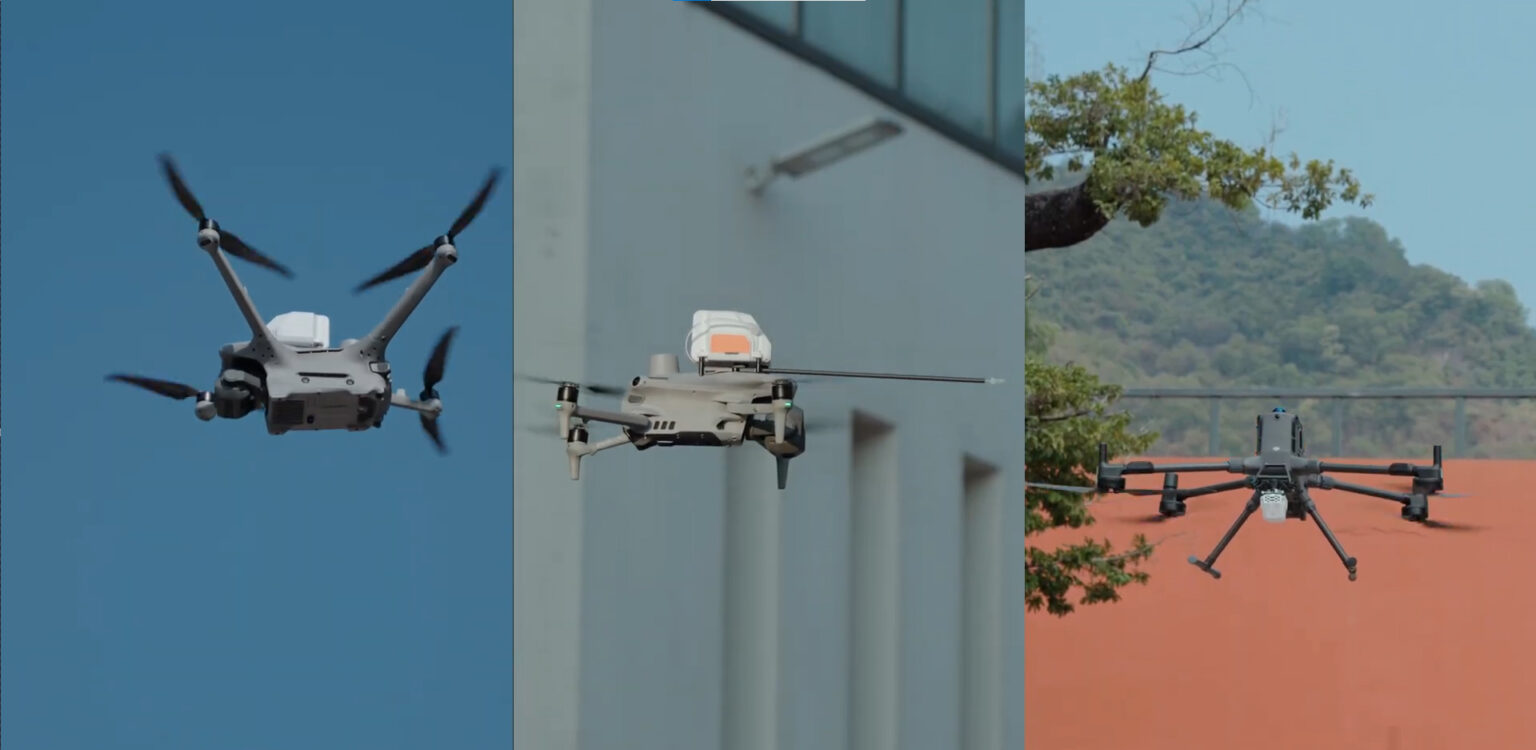
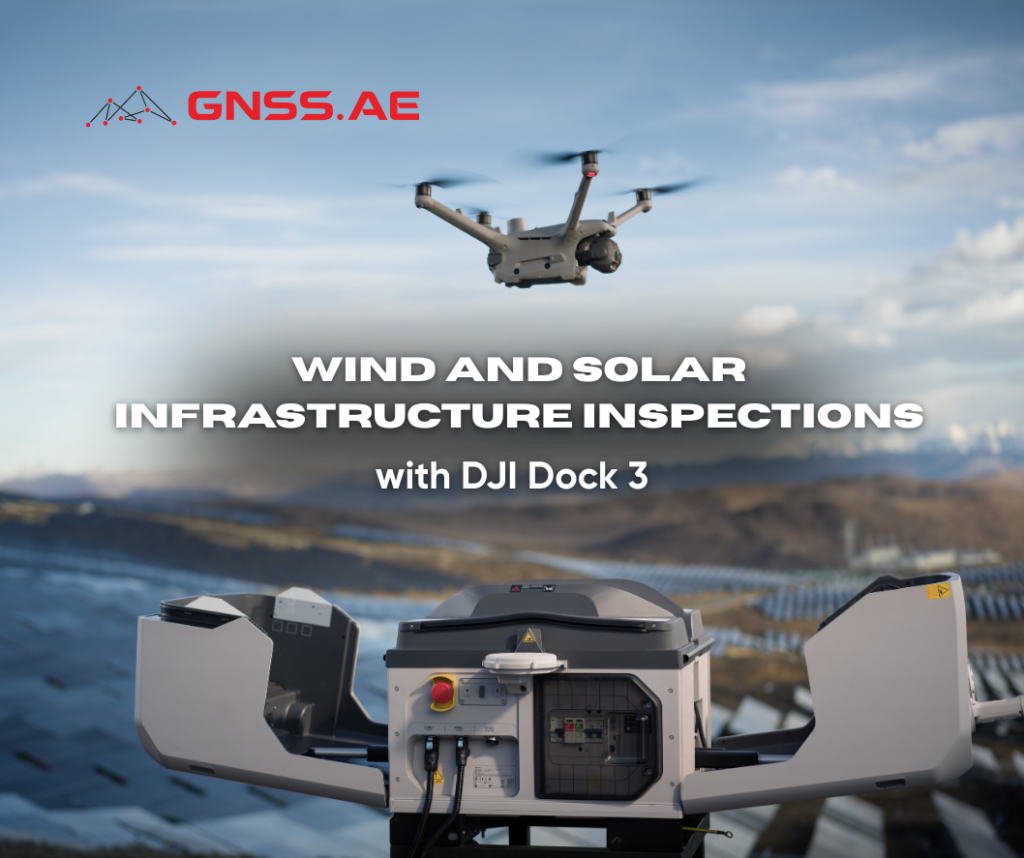
Although their gas detection technologies differ, both models share a consistent workflow. They can be mounted on platforms such as the DJI Matrice 4D, Matrice 4TD, DJI Dock 3, and larger enterprise drones. During the mission, the operator can view gas concentration data in real time through DJI Pilot or remotely in FlightHub 2.
Recent updates to FlightHub 2 have also improved remote inspection workflows and third-party integration — topics covered in a previous GNSS.AE article about the latest FlightHub 2 release.
After the flight, the collected data can be uploaded to the companion software platform, where it is automatically converted into:
Both versions also support:
The result is a workflow where the operator does not simply receive raw sensor readings. Instead, the software turns those readings into maps and reports that can be used immediately by field teams, engineers, or environmental specialists.
The biggest difference between the two versions is not the size of the payload or the software interface. It’s all about the specific type of gas monitoring each system is built to handle.
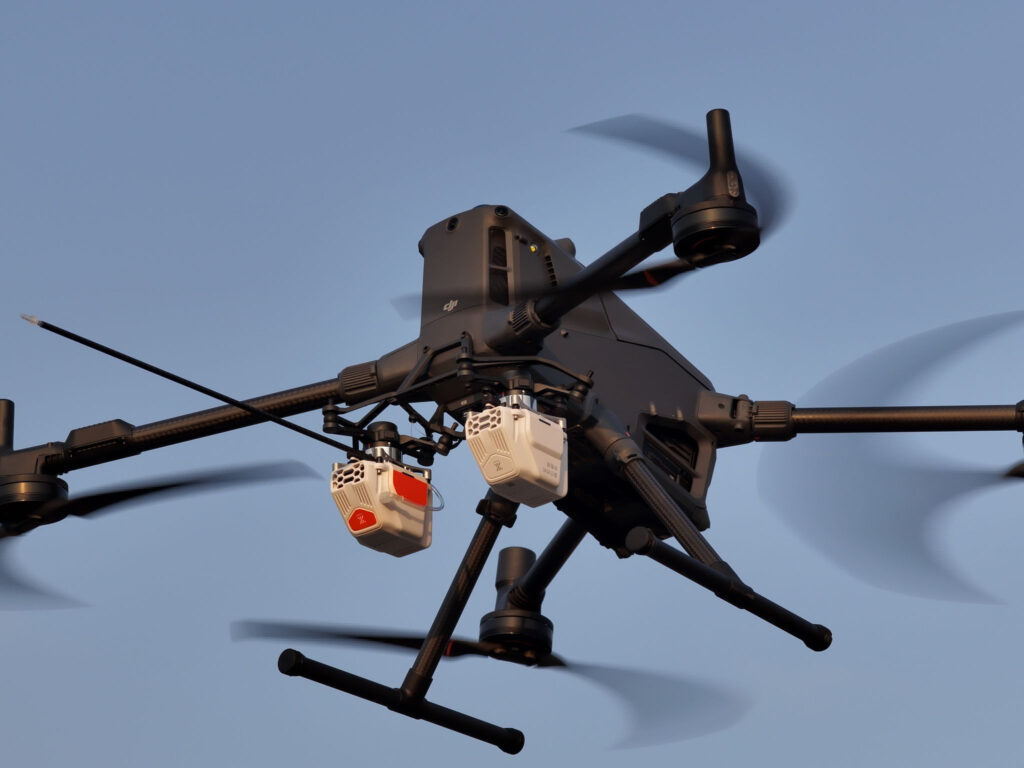
The Multi-Gas version is designed for projects that require simultaneous monitoring of multiple pollutants.
This model features five internal sensor slots that can be customized based on the needs of the project. Common configurations might include:
Since the configuration is flexible, the same payload can be repurposed for various tasks over time.
For instance, one team might use it to track industrial emissions near a refinery, while another could deploy the same system to assess air quality close to a busy road or construction site.
This makes the Multi-Gas version most suitable for:
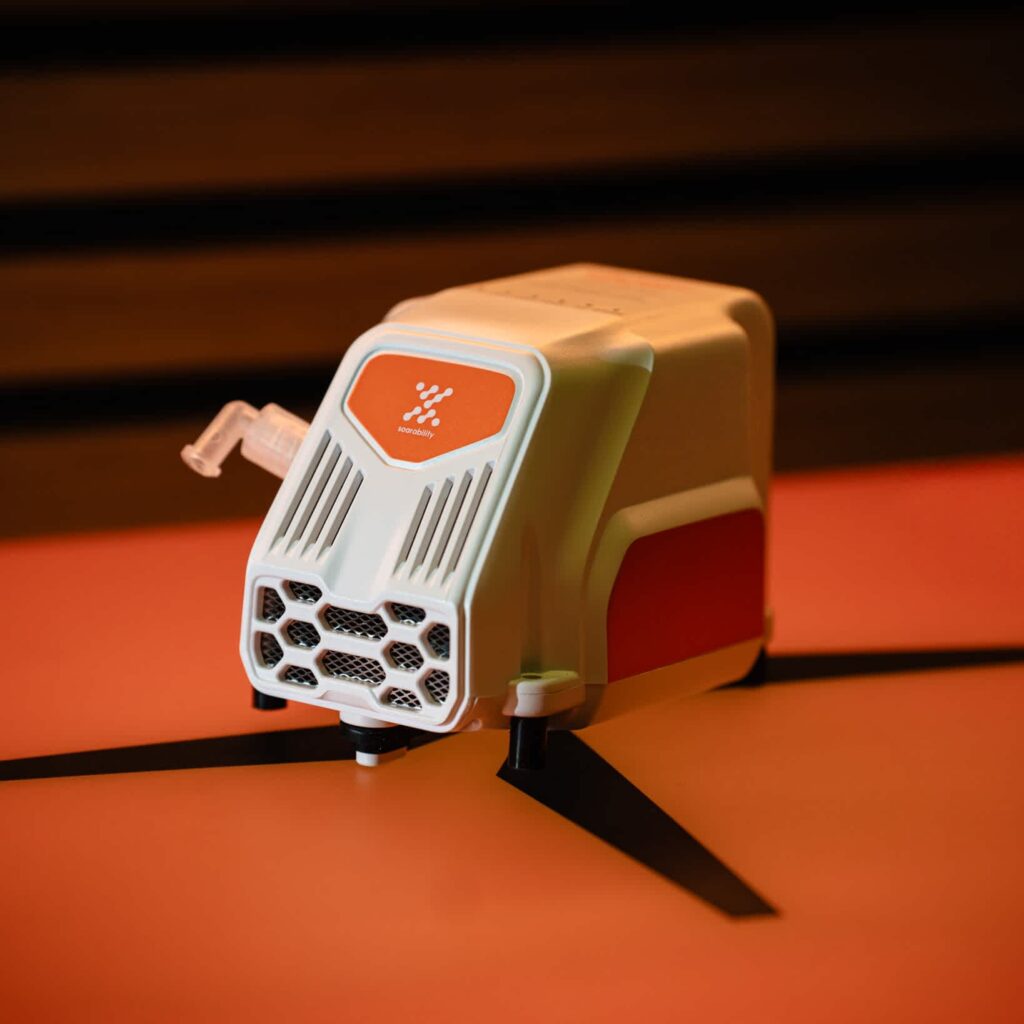
The Methane version is quite specialized. Unlike other systems that use various interchangeable sensor modules, this one is solely focused on detecting methane. The system uses Multi-Pass TDLAS technology and is designed to quickly identify methane concentration anomalies over large areas.
The sensor can detect methane concentrations from 1 ppm up to 11,000 ppm.
In practice, this makes it useful for quickly screening:
It’s important to note that the Methane version isn’t designed for detailed leak quantification. Instead, its main job is to quickly identify potential problem areas. Typically, it serves as the initial step in the workflow: the drone conducts a rapid screening mission, marks spots with higher methane concentrations, and then a more advanced leak-detection system can be deployed if precise localization is required.
Feature | Sniffer4D Nano 2 Plus Multi-Gas | Sniffer4D Nano 2 Plus Methane |
Main purpose | Monitoring several pollutants in one mission | Rapid methane screening |
Typical sensors | O3, NO2, CO, SO2, TVOC, particulate matter | Dedicated CH4 sensor |
Detection method | Modular electrochemical and PM sensors | Multi-Pass TDLAS |
Best suited for | Environmental monitoring, HAZMAT, industrial emissions | Pipelines, landfills, gas facilities |
Main advantage | Flexible configuration for different projects | Fast identification of methane anomalies |
For gas utilities and pipeline operators, the Methane version tends to be the more relevant choice.
Instead of sending inspection teams to walk long sections of pipeline or manually inspect facilities, operators can fly the area first and quickly identify where
The goal is not necessarily to replace ground crews, but to reduce the amount of time they spend searching.
Landfills are one of the few applications where both versions can be useful at the same site.
The Methane version can be used to identify methane hotspots and monitor how emissions change over time.
The Multi-Gas version can then provide a broader picture of environmental conditions around the landfill, including odor-related compounds or air quality near the site boundary.
Together, they give operators a more complete understanding of what is happening both inside and around the site.
For emergency response teams, the Multi-Gas version is usually the stronger choice.
During a chemical spill, fire, or industrial accident, responders rarely know in advance which gases may be present. A payload that can monitor several pollutants at once is therefore much more useful than a sensor focused on a single gas.
The ability to create a live contamination map from the air also helps teams decide where it is safe to send personnel
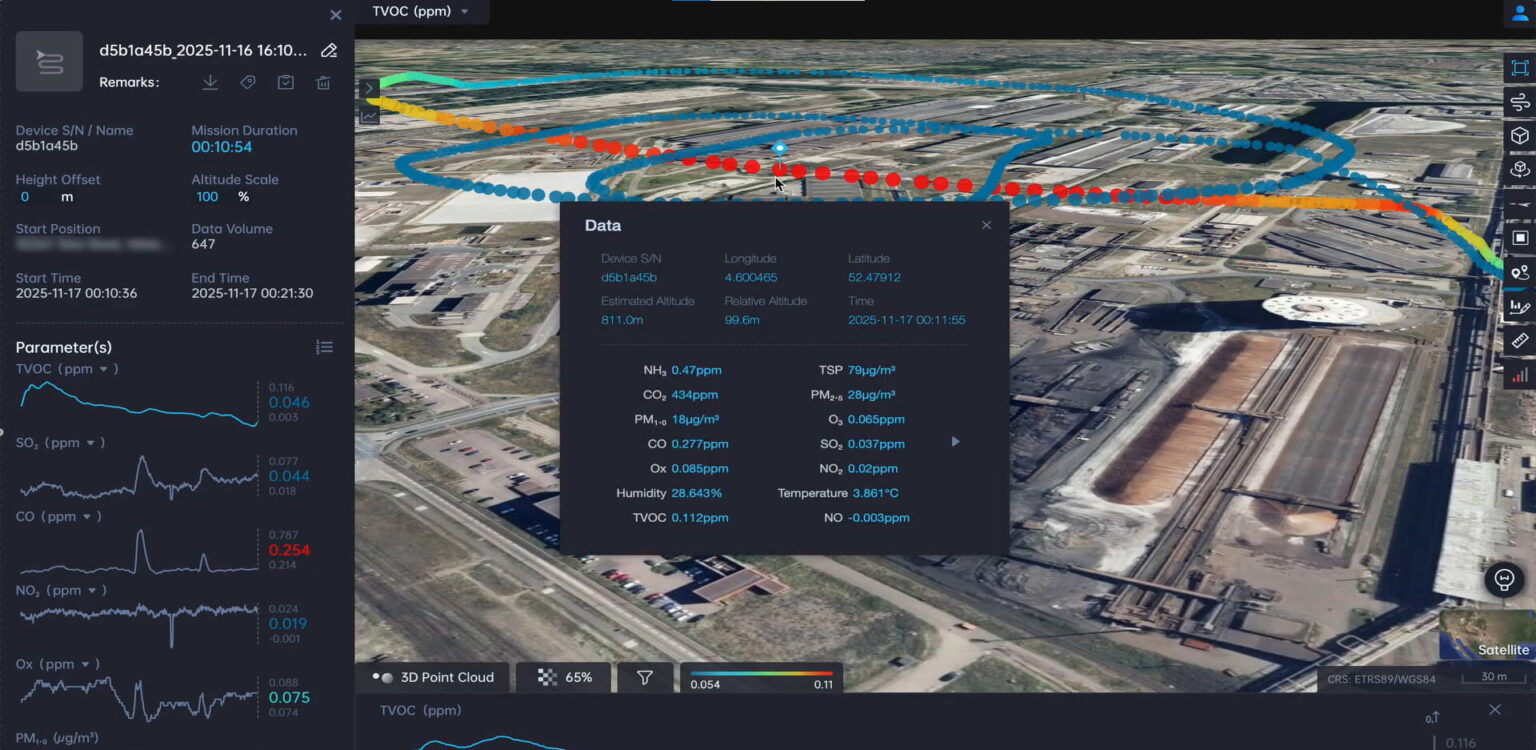
The Multi-Gas version is also relevant for cities, ports, industrial zones, and environmental agencies.
Because the payload can be configured for different pollutants, it can be used for a wide range of routine monitoring tasks, including:
This flexibility is one of the main reasons why the Multi-Gas version is often chosen by organizations that need one sensor for many different projects.
Industry / Application | Recommended Version | Why |
Gas pipelines and compressor stations | Methane | Fast screening of methane anomalies over large areas |
Landfills | Both | Methane for hotspot detection, Multi-Gas for broader air-quality monitoring |
HAZMAT and emergency response | Multi-Gas | Several pollutants can be monitored at the same time |
Industrial facilities | Multi-Gas | Useful for emissions and compliance monitoring |
Urban air-quality surveys | Multi-Gas | Flexible configuration for different pollutants |
For a broader overview of how Sniffer4D payloads are used in drone-based air monitoring, including their role in environmental surveys and emergency response, see the related GNSS.AE article: Sniffer4D: Revolutionizing Air Monitoring with Cutting-Edge Drone Technology.
Sniffer4D Nano 2 Plus Multi-Gas and Sniffer4D Nano 2 Plus Methane are not competing products. They are designed for different types of work.
If the goal is to monitor several pollutants, understand overall air quality, or respond to unpredictable situations, the Multi-Gas version is the better fit.
If the goal is to quickly detect methane anomalies across large areas, the Methane version is the more practical choice.
In both cases, the real value comes not only from the sensor itself, but from the complete workflow around it. By combining drone flights and real-time measurements both systems make it easier to turn gas data into information that can be used immediately in the field.