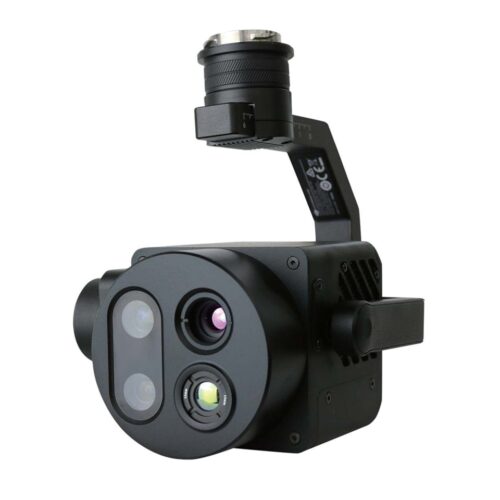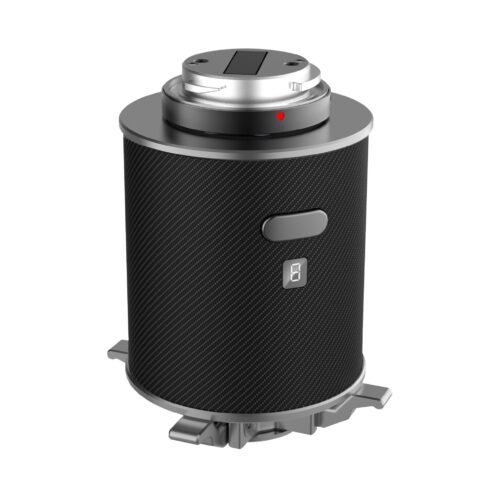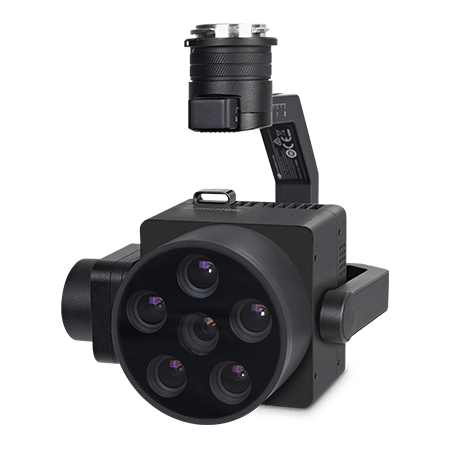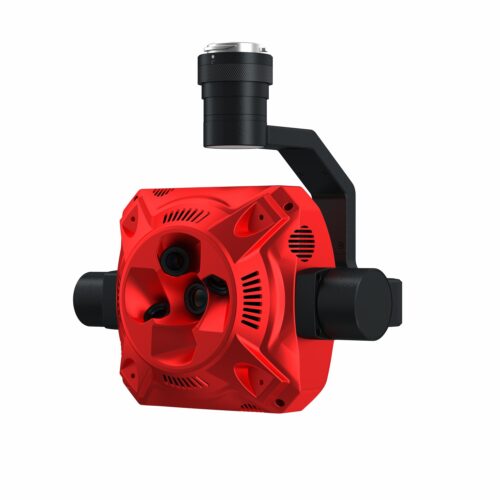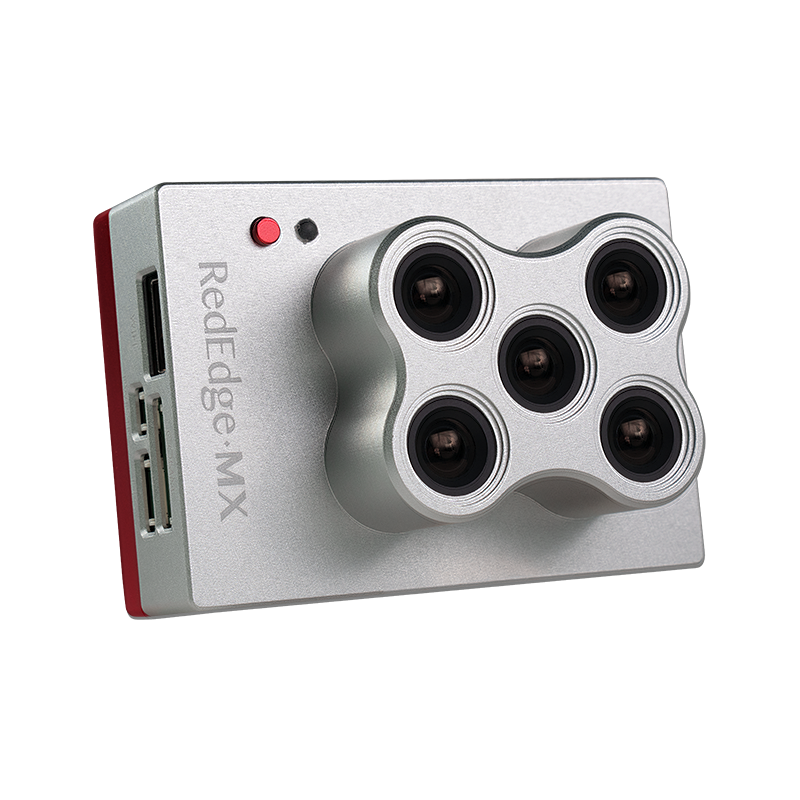
The RedEdge-MX is a rugged, professional multispectral sensor designed for field-scale precision agriculture and environmental monitoring.
The modular payload captures five spectral bands in a single flight, delivering reliable data for analysis and actionable insights.

Multispectral data capture, made simple

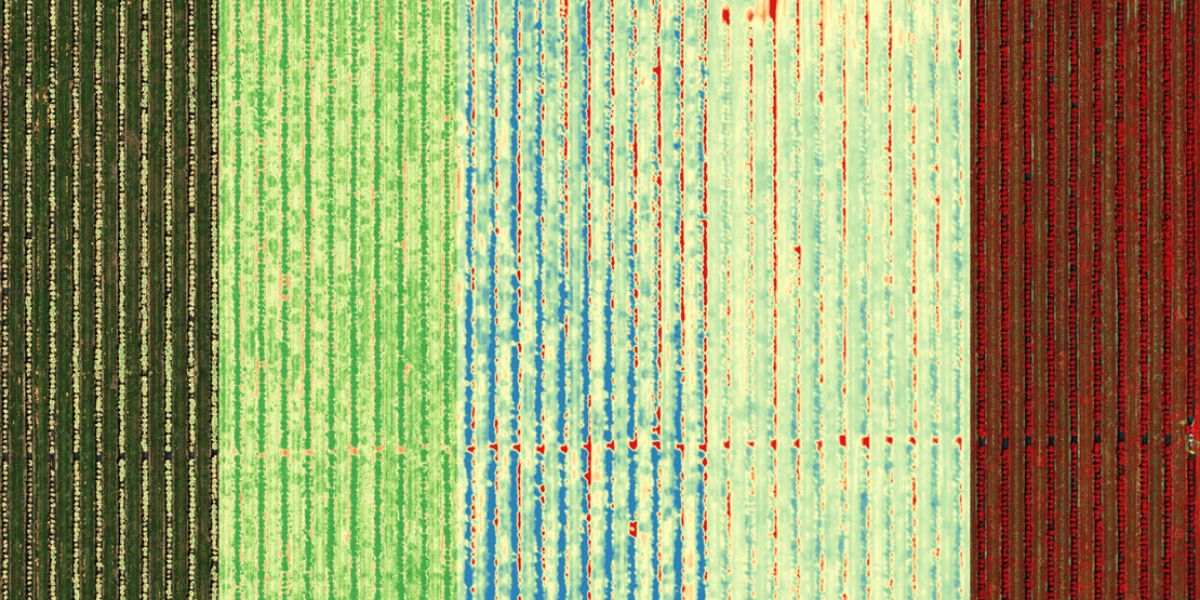
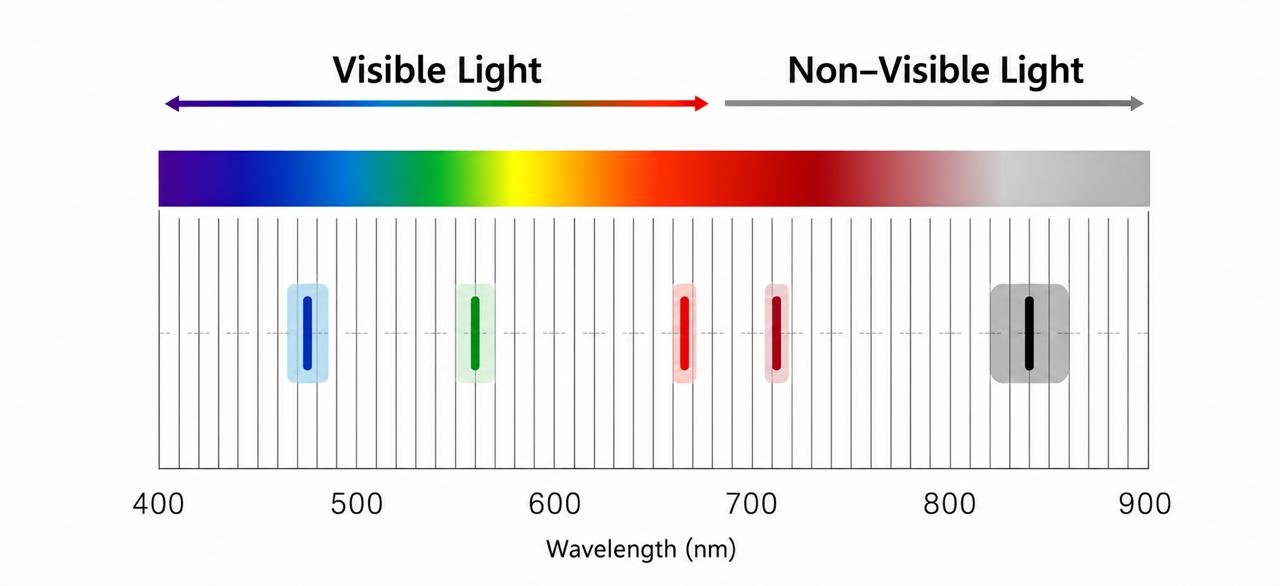
The RedEdge-MX captures light in five different bands (Red, Green, Blue, Red Edge, and Near-Infrared). These bands are specifically chosen for vegetation analysis and enable indices such as NDVI, NDRE, chlorophyll estimation, stress detection, and crop vigor mapping.
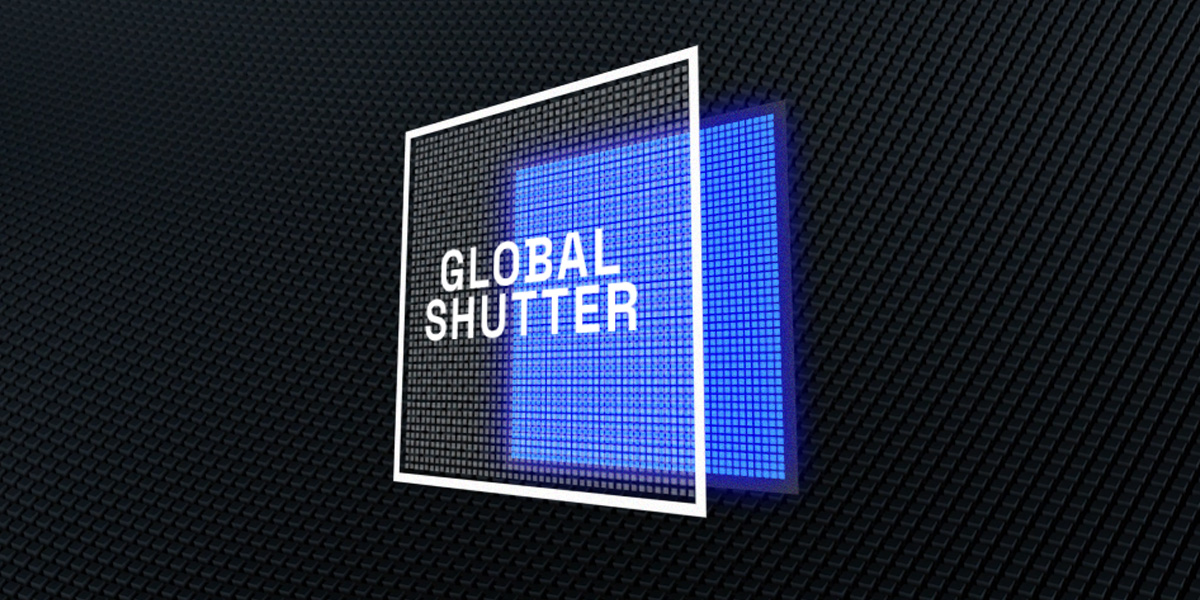
The RedEdge-MX features a global shutter sensor, capturing every pixel in the image at the exact same moment. This ensures sharper, more geometrically accurate imagery for drone mapping, delivering reliable data for photogrammetry, precision agriculture, environmental monitoring, and other surveying applications. The result is improved image alignment, more consistent datasets, and higher-quality maps—even during high-speed flights.
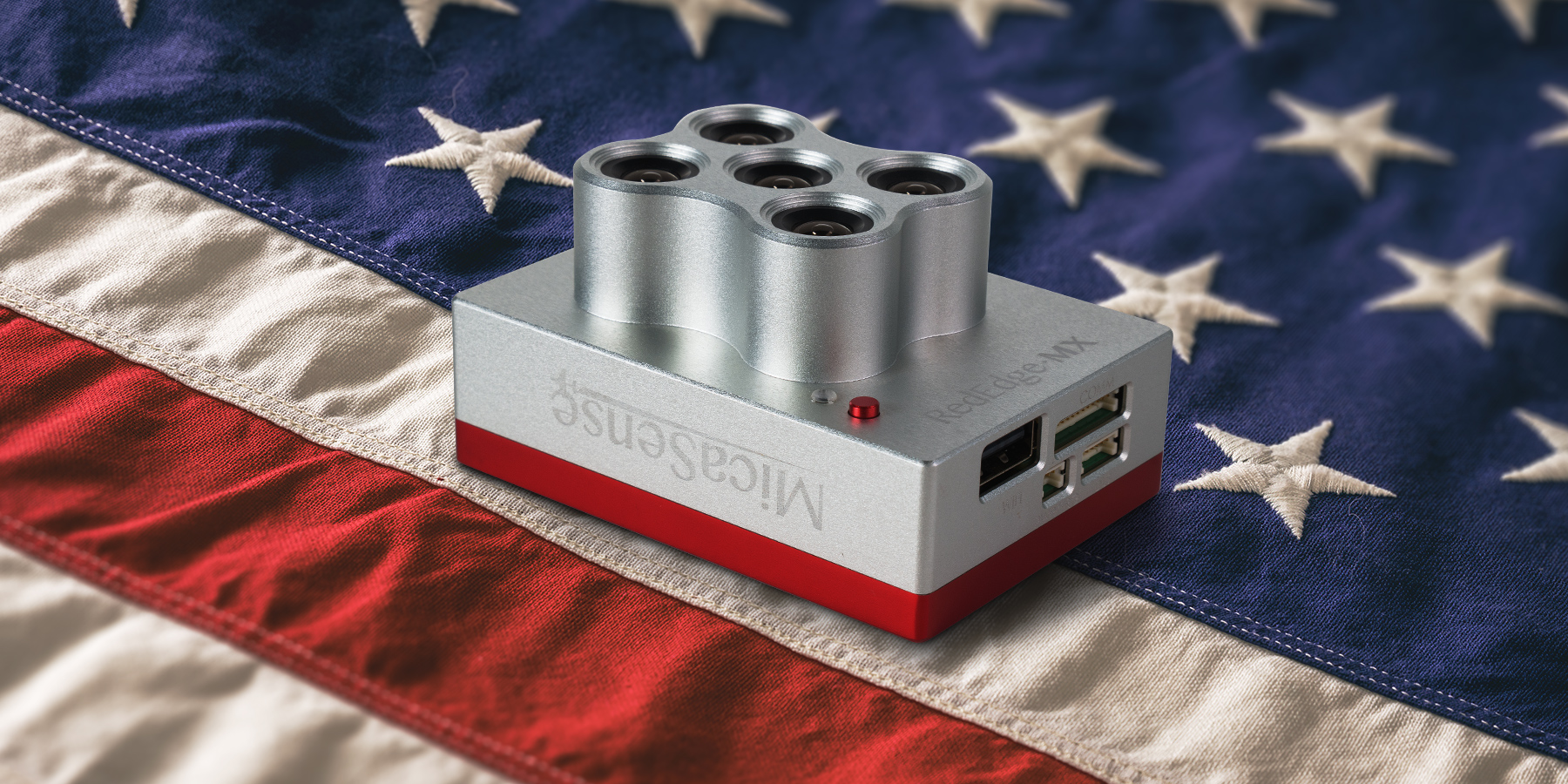
Manufactured in the USA and validated through more than 10 years of field use, the RedEdge-MX is trusted by customers in more than 70 countries.
The camera includes radiometric calibration capabilities and works with the DLS 2 light sensor, helping compensate for changing illumination conditions during flights. This improves consistency between flights, dates, and locations.
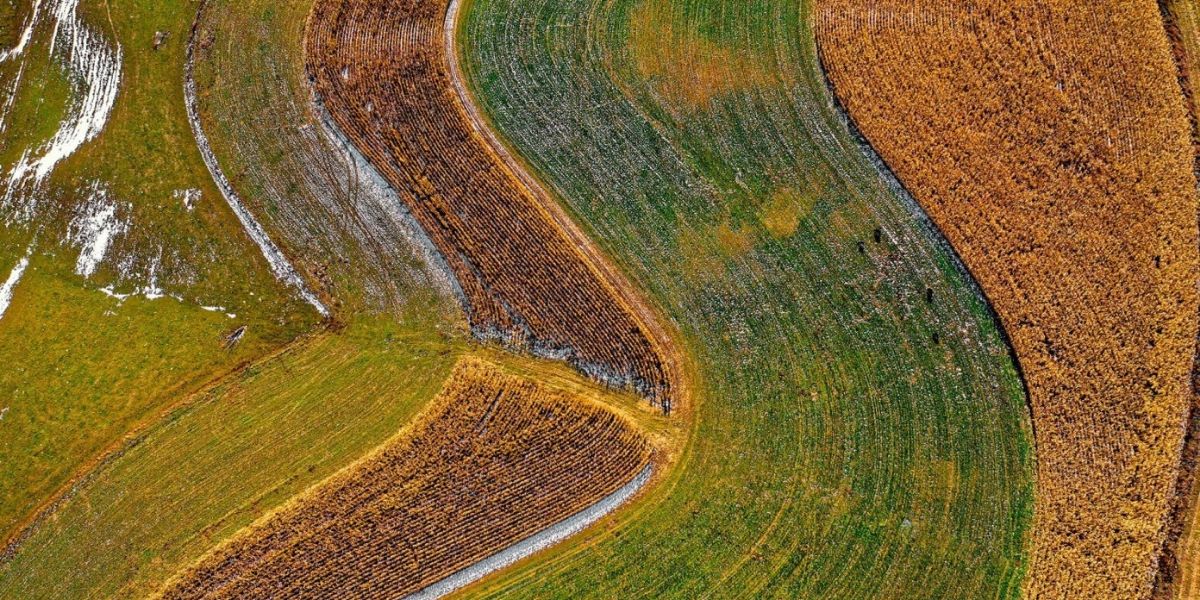
RedEdge-MX data is widely supported by mapping and photogrammetry platforms such as Pix4D and Agisoft, which reduces workflow headaches and makes it easier to collaborate with agronomists, researchers, and consultants.
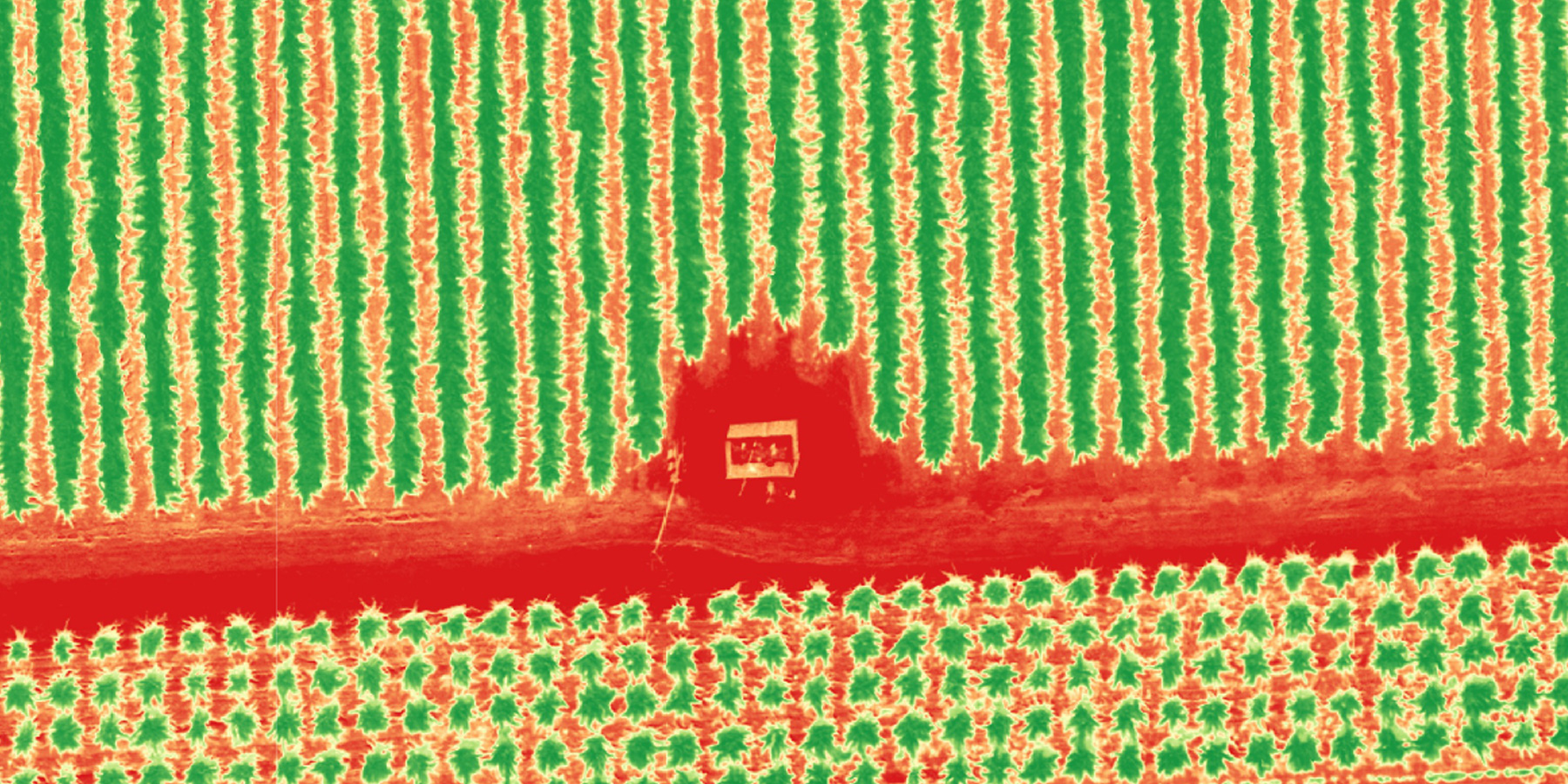
Every RedEdge-MX camera kit includes a Reflectance Panel and DLS2 light sensor to account for changing weather and lighting conditions, providing accurate, repeatable data for reliable analysis and comparison over time.
Providing a comprehensive view into crop health
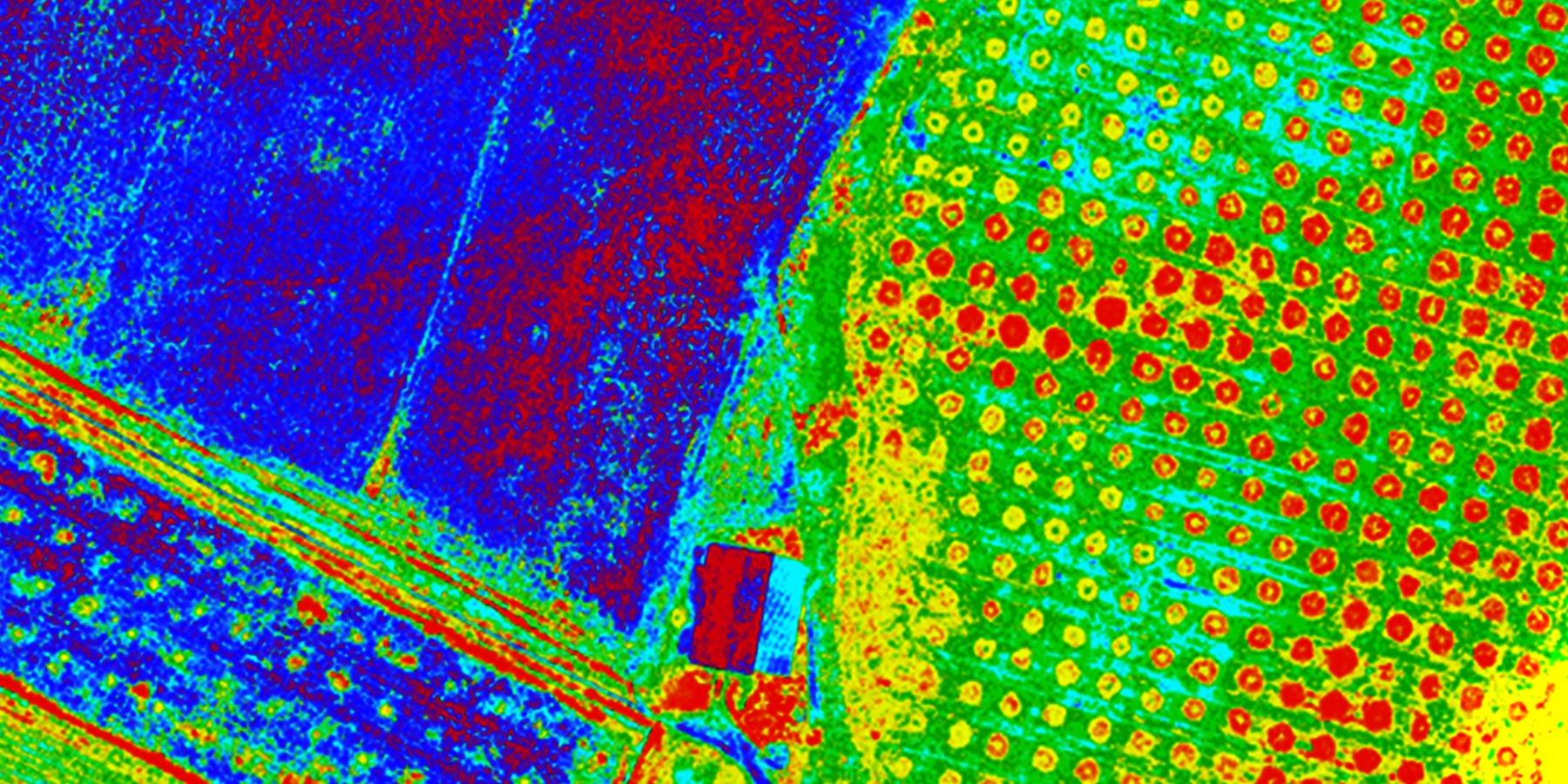
Manually measuring plant characteristics is time-consuming. RedEdge-MX captures more data in less time, allowing researchers to understand how different breeds react to certain environments and modify desirable traits in order to improve yield.
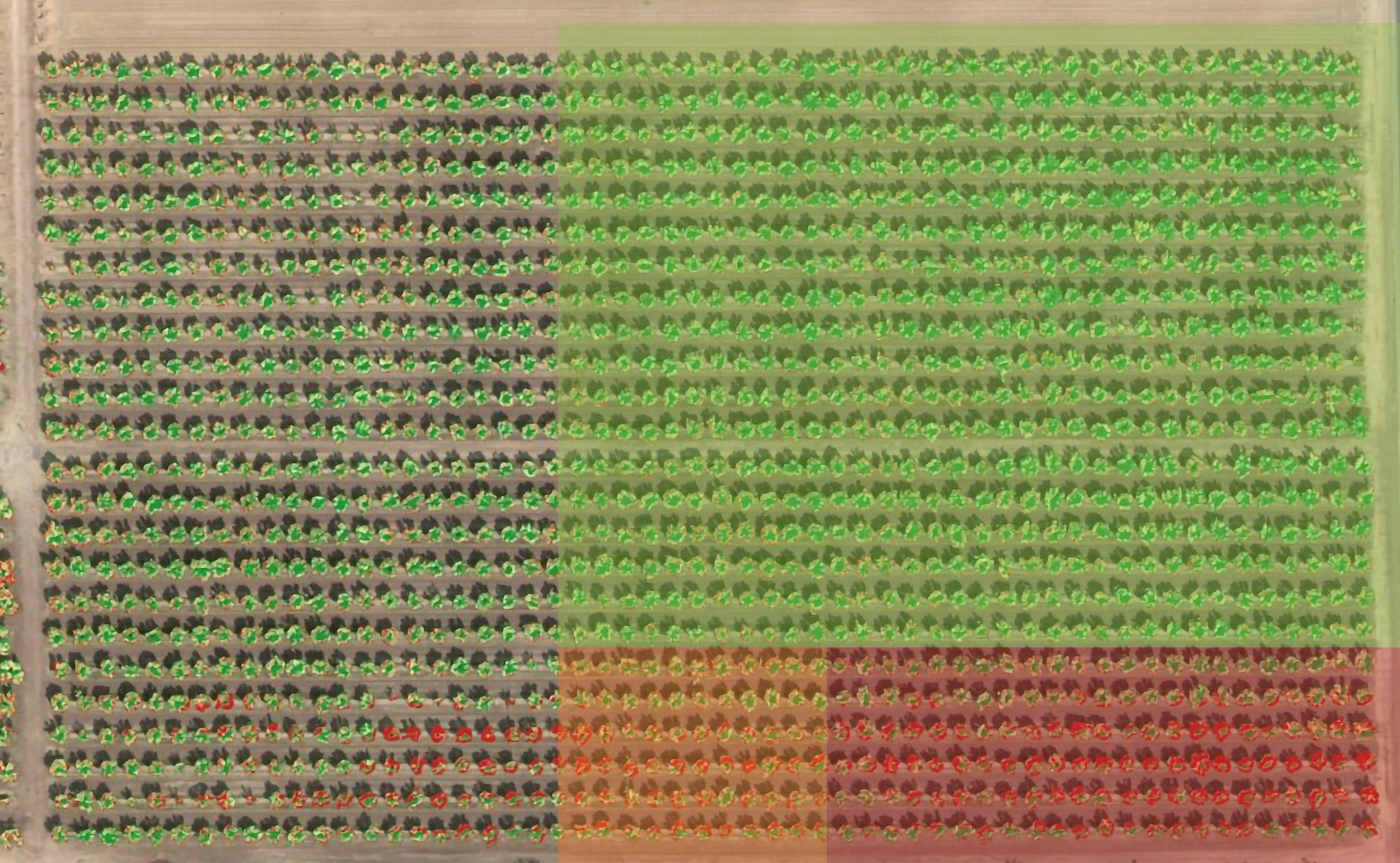
Quickly identify crop variability, pest damage, and other field conditions to support targeted field inspections and management decisions.
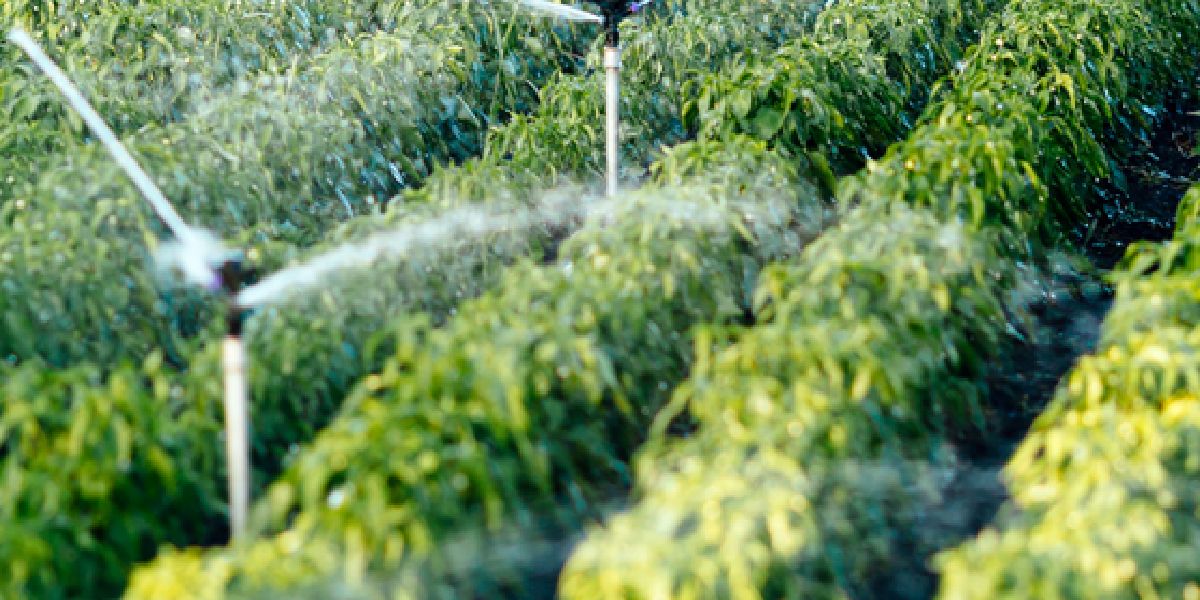
Assess crop vigor and field variability to optimize fertilizer application and irrigation strategies, improving resource efficiency and crop performance.
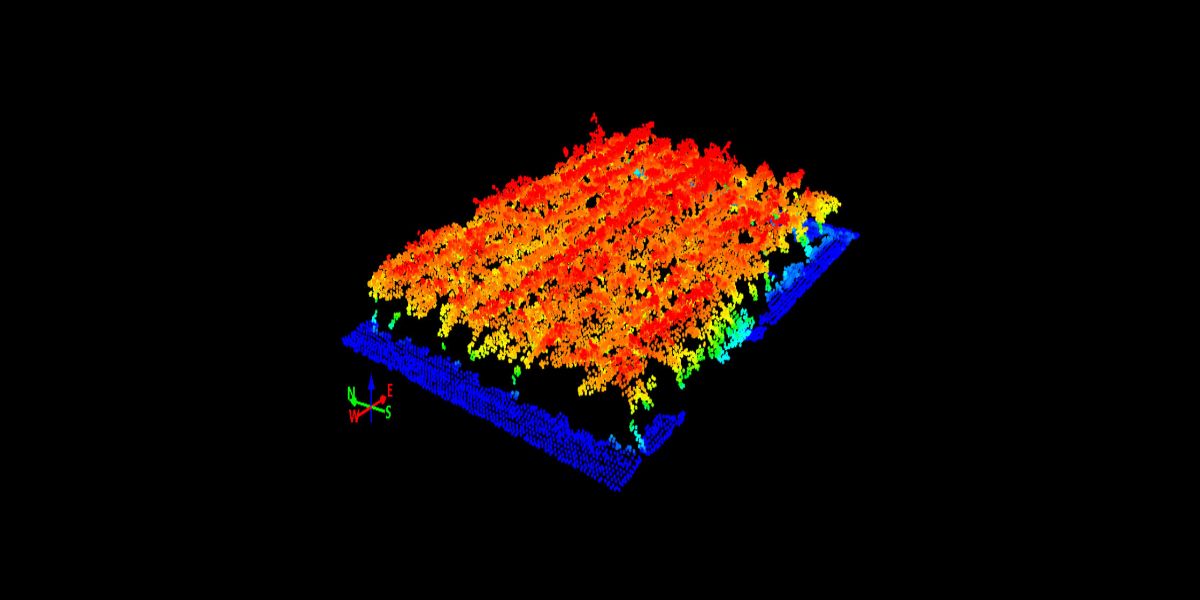
Detect disease across large areas, enabling timely intervention and reducing the risk of yield losses.
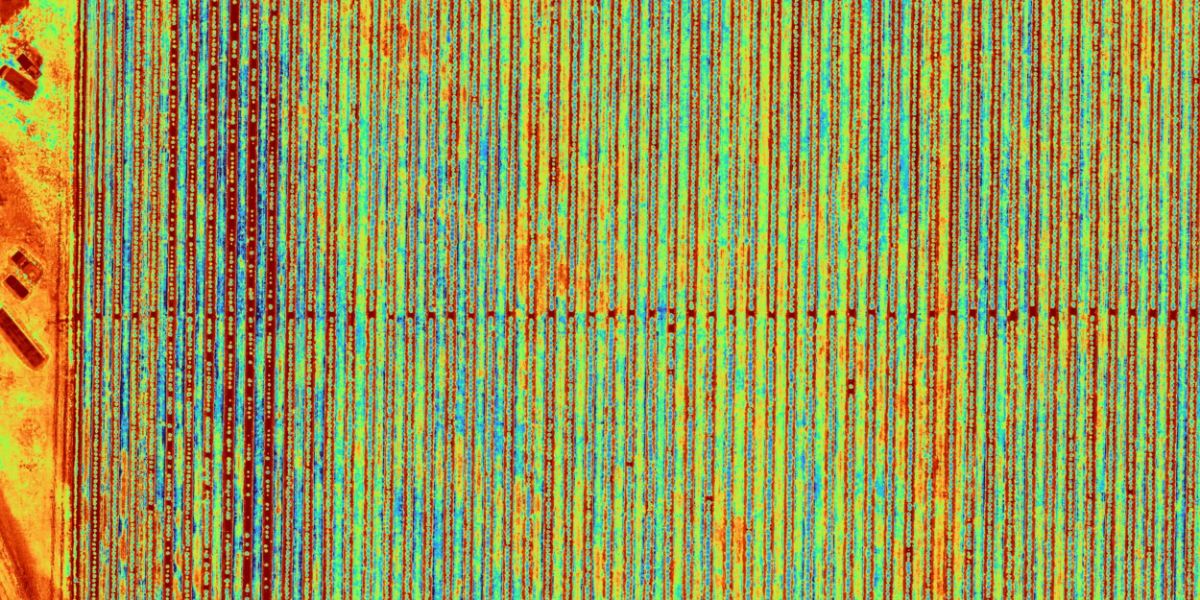
Identify zones affected by water, nutrient, pest, or environmental stress to prioritize corrective actions and improve crop health.
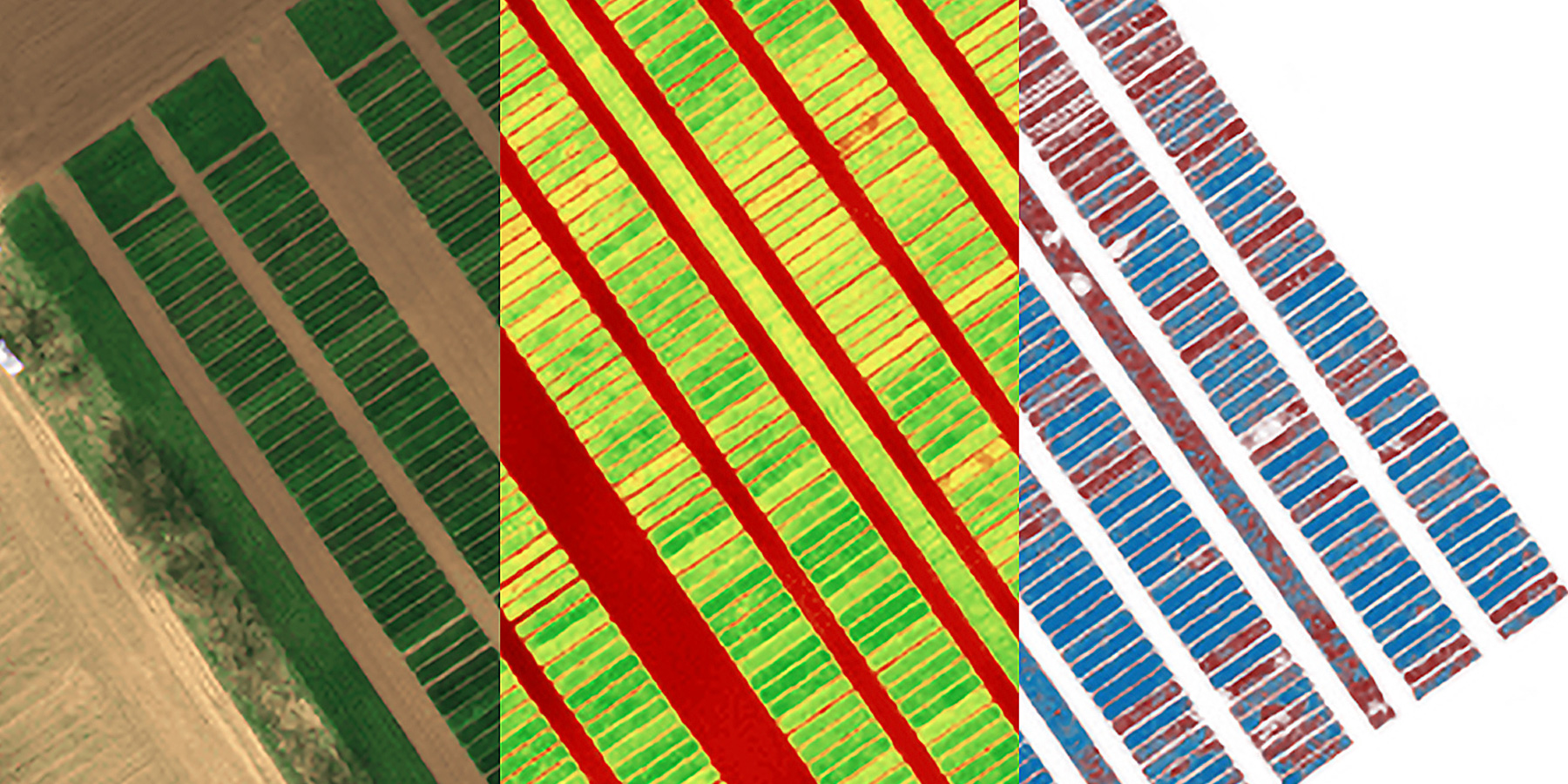
Monitor crop development throughout the growing season to evaluate growth patterns, compare performance over time, and support agronomic decision-making.
Track vegetation establishment, ground cover, and ecosystem recovery in restoration projects to measure progress and assess long-term success.
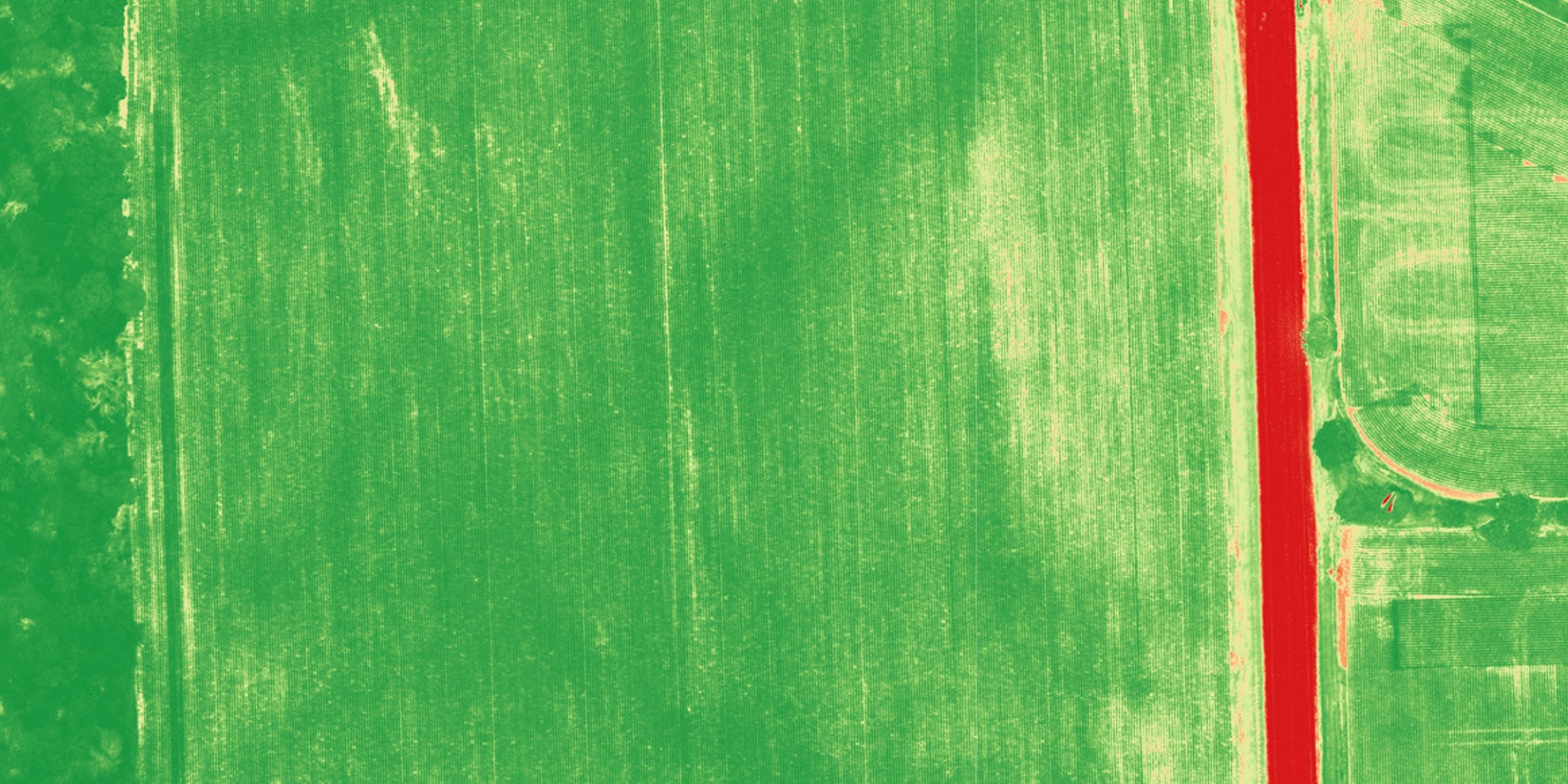
By measuring reflectance in the red edge band, the RedEdge-MX can detect irrigation leaks. Excessively irrigated areas often exhibit higher NDRE values, causing plants to appear healthier than those in the surrounding field and making irrigation anomalies easier to identify.
With the DLS2 light sensor and CRP2 calibrated reflectance panel, you can maintain data consistency across varying times, locations, and lighting conditions, supporting time-series studies and compliance with peer-reviewed publication standards.
Manufactured in the USA and validated through more than 10 years of field use, the RedEdge-MX is trusted by customers in over 70 countries.
The RedEdge-MX captures reflected light across five discrete spectral bands (Blue, Green, Red, Red Edge, and Near-Infrared), including wavelengths beyond the visible spectrum. By analyzing how crops reflect this light, it provides field-level insights into crop health and vigor.
Inquire price for MicaSense | EagleNxt RedEdge MX