The rapid advancement of unmanned aerial systems has reshaped how organizations handle physical security. What once belonged mostly to military applications has now expanded into commercial, industrial, and government sectors. Drones enhance surveillance, speed up responses, and help cut costs.
Today, security drones are no longer just an “add-on” to existing systems, they act as a fundamental part of a modern, data-centric security setup. They can autonomously patrol, analyze data in real time, and connect seamlessly with command centers.
Security drones extend the eyes and ears of security teams well beyond what’s possible with traditional ground-based setups. Thanks to autonomous flight, AI-driven analytics, and multi-sensor payloads, drones offer continuous monitoring of large and complex environments.
Airports, seaports, power plants, oil and gas facilities, and water treatment plants cover large, sometimes hazardous areas that traditional surveillance struggles with. Drones provide live aerial perspectives, improving situational awareness in these sensitive zones.

Large industrial environments, including manufacturing plants and refineries, present unique security challenges due to their size and operational complexity. Drones automate perimeter patrols and keep an eye on restricted zones and important assets. Thermal sensors also help spot overheating equipment or other anomalies.
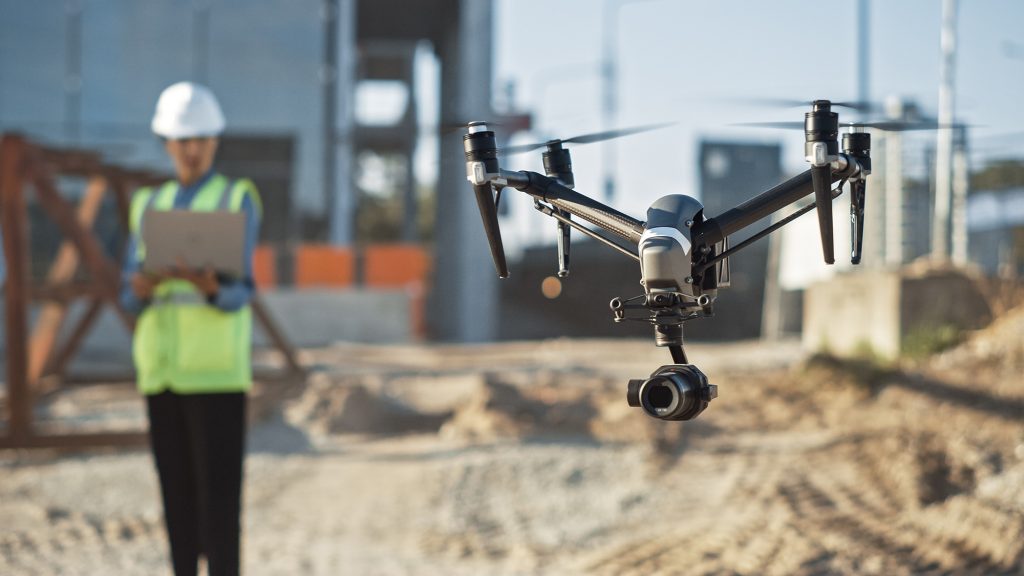
In urban environments, drones are increasingly used by law enforcement agencies to monitor public spaces, manage large crowds, and respond to incidents. Instead of deploying personnel into potentially dangerous situations, operators can assess conditions remotely in real time.
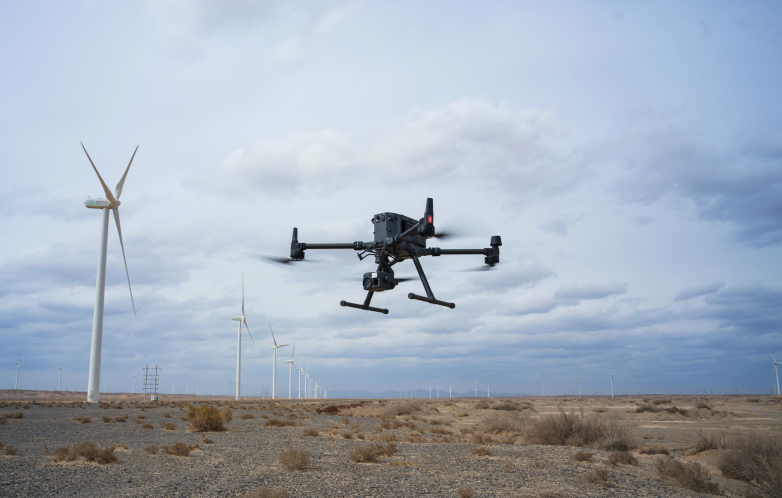
Drones have become an essential tool in border surveillance, particularly in remote or difficult-to-access regions. Their ability to patrol long distances, combined with thermal imaging and real-time data transmission, allows authorities to detect and track unauthorized movement efficiently:
More private businesses, from logistics centers to construction sites, are adopting drone solutions. Automated drone-in-a-box systems can take off immediately when an alarm sounds, offering quick visual confirmation of potential issues.
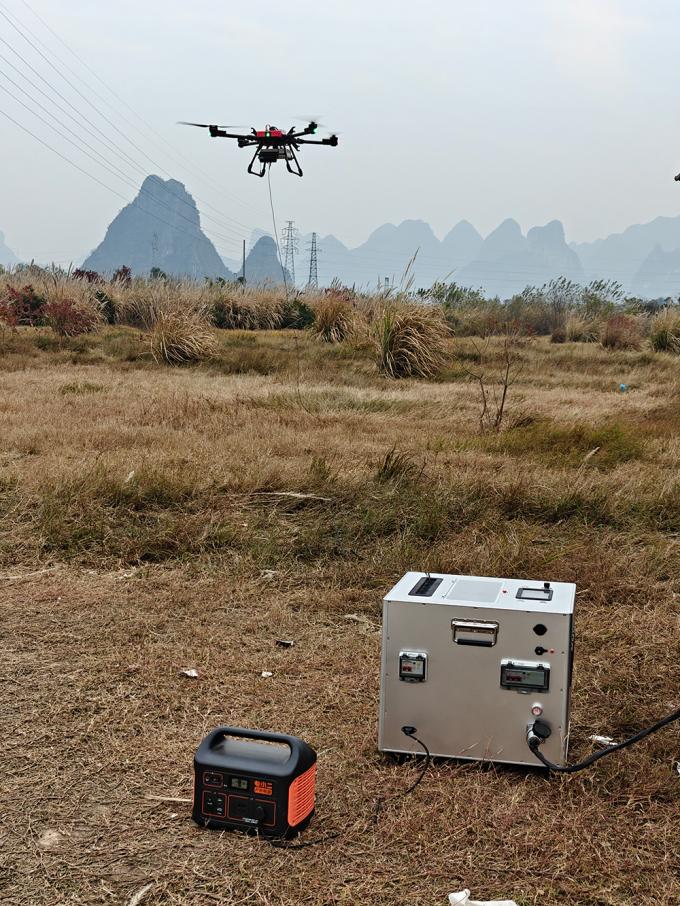
For temporary deployments such as large-scale events or emergency situations, drones offer unmatched flexibility. Tethered systems, in particular, can remain airborne for extended periods, providing uninterrupted surveillance over crowds or sensitive zones without the need for frequent landings
One of the defining features of modern security drones is their ability to operate autonomously.
Thanks to computer vision and onboard processing, these drones can spot and identify objects in real time, whether they’re people, vehicles, or other potential threats. They analyze movement patterns and send out alerts when they detect anything unusual, which greatly enhances situational awareness.
With AI-driven detection, there’s less need for constant manual monitoring, allowing operators to concentrate on significant events instead of endlessly watching video feeds. This not only increases efficiency but also minimizes the risk of human error.
In enterprise ecosystems such as DJI’s, these capabilities are integrated into platforms like FlightHub 2, where detected objects can be tracked, logged, and analyzed across multiple missions.
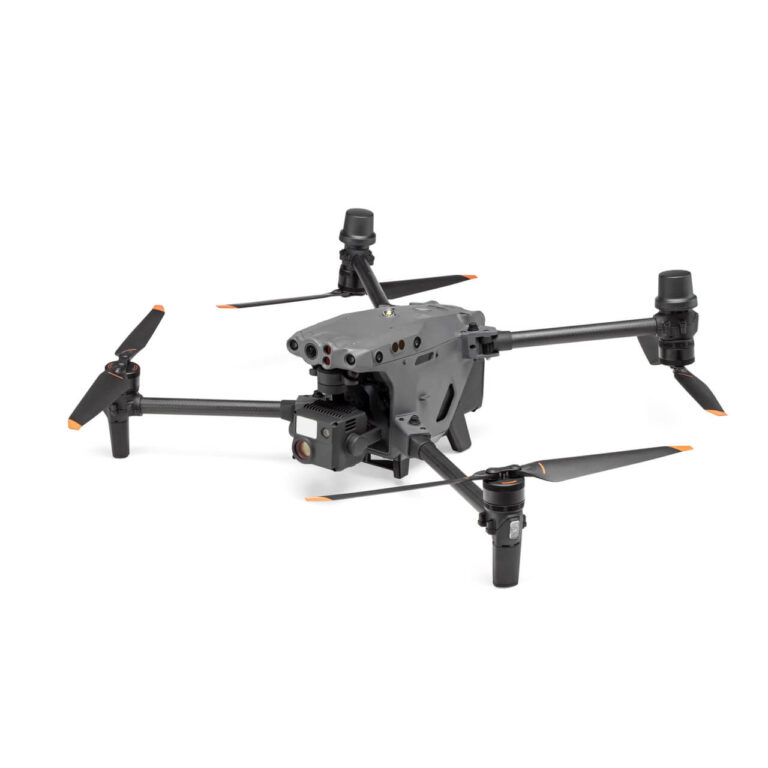
Unlike fixed cameras, drones offer dynamic perspectives and can cover blind spots or inaccessible areas. High-resolution imaging, zoom functions, and night vision help capture critical details regardless of lighting conditions.
Security drones can carry:
This allows accurate detection in low-light, fog, or complex terrain conditions.
When an alert is triggered, drones can be deployed within seconds, reaching the target location much faster than ground personnel.
They provide:
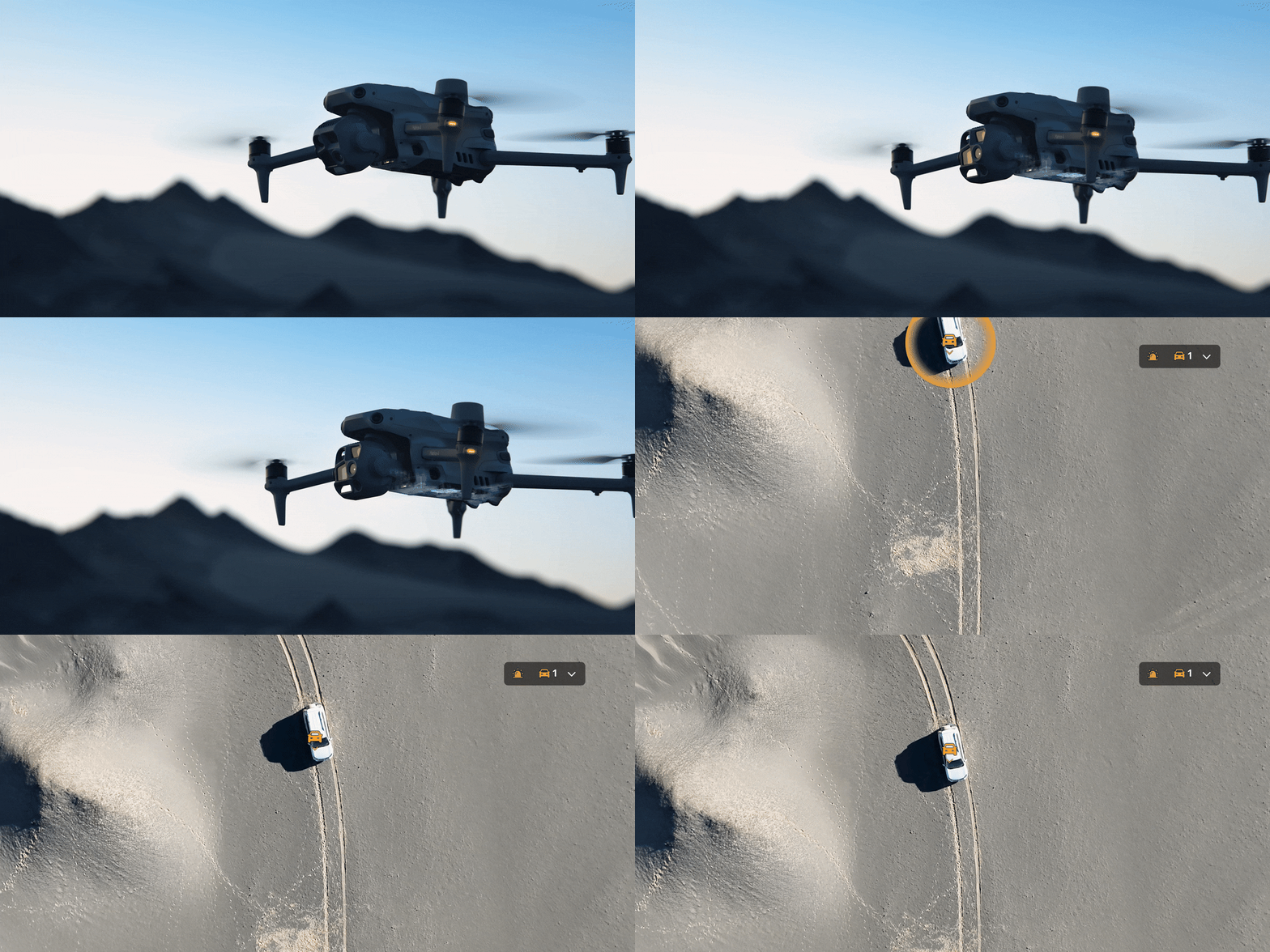
Another key capability of modern security drones is subject tracking, which allows operators to lock onto a moving object and continuously monitor it without manual camera control.
Once a subject — such as a person or vehicle — is selected, the system automatically keeps it within the frame using intelligent gimbal control and zoom capabilities.
In security scenarios, this feature is particularly valuable for:
Subject tracking boosts both efficiency and accuracy, allowing operators to concentrate on important targets while the drone automatically manages positioning and framing.
Tethered drones remain connected to a ground power source, enabling:
One of the most significant advancements in drone-based security is the introduction of fully automated “drone-in-a-box” systems such as DJI Dock 3.
These “drone-in-a-box” setups allow drones to operate around the clock without the need for on-site pilots. This changes how large facilities and critical infrastructure are monitored.
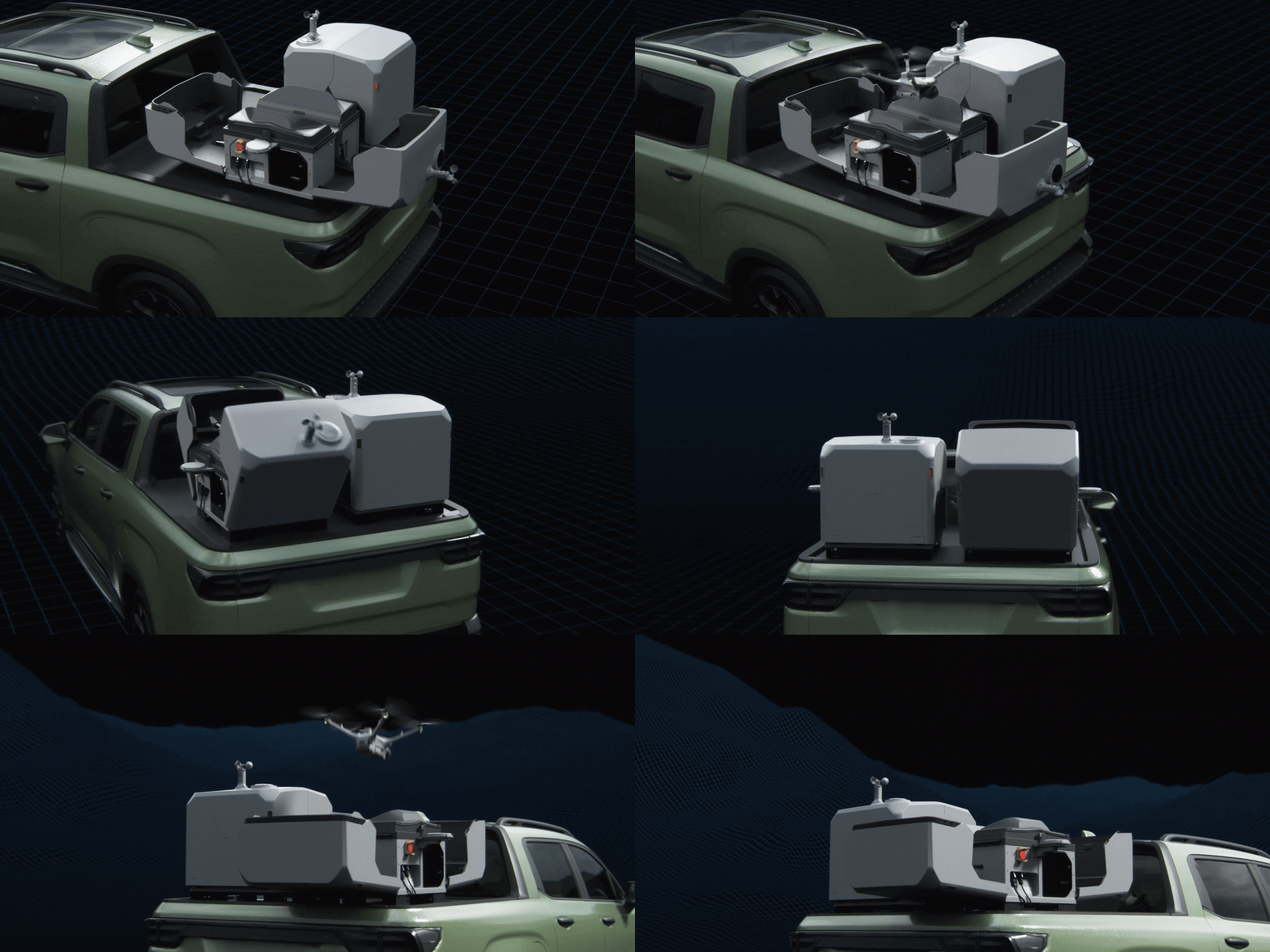
The Dock 3 supports continuous autonomous flights using enterprise drones such as the Matrice 4D series. It manages automatic takeoff, mission execution, and returns for charging, all controlled via cloud platforms like DJI FlightHub 2.
A key innovation of Dock 3 is its support for mobile, vehicle-mounted deployment, allowing rapid setup in dynamic environments such as emergency response or temporary security operations.
Built for tough environments, the system offers weather resistance, environmental sensors, and automated charging that keep it running with minimal human input.
Drones pull together diverse data streams that support decision-making and long-term analysis:
Data Type | Description | Use Case |
Video (HD/4K) | Real-time and recorded footage | Incident verification |
Thermal imaging | Heat signatures | Intrusion detection at night |
Geospatial data | GPS coordinates, mapping | Patrol optimization |
AI analytics | Object detection, classification | Threat identification |
Event logs | Alerts, timestamps | Compliance and reporting |
Drones extend coverage and eliminate blind spots that fixed cameras can’t reach. Their mobility and vantage point mean fewer devices or patrol units are needed to cover the same area.
Speed is another advantage. Autonomous systems respond quickly to events, often ahead of ground personnel, which can be crucial in preventing or containing security breaches.
From a financial perspective, drone programs can significantly reduce operational costs by automating routine patrols and decreasing large security staffs, resulting in savings over time. They also improve safety by keeping human operators away from dangerous or difficult environments.
Finally, their flexibility makes them suitable for a wide range of industries and applications. The same platform can be adapted for different missions, from surveillance to inspection, increasing overall return on investment.
Despite their advantages, drones are not without limitations:
One of the most common challenges is limited flight time, as most commercial drones can operate for only 20 to 40 minutes on a single battery. While automated docking and charging systems help mitigate this issue, they also add complexity and cost.
Weather conditions can also impact performance. Strong winds, heavy rain, or fog may reduce stability and visibility.
Drone operations must adhere to aviation laws, which may include restrictions on flight zones, altitude, and line-of-sight requirements. These regulations can vary significantly depending on the region.
Organizations must ensure that drone usage aligns with local data protection laws and does not infringe on individual privacy.
System failures, connectivity issues, or software malfunctions can disrupt operations and must be addressed through proper redundancy and maintenance strategies.
Modern drone solutions are designed to integrate seamlessly with existing security infrastructure. They can connect to:
Advanced platforms also support:
This ensures that drone operations meet enterprise-level security standards and can be safely deployed in critical environments.
Implementing a drone-based security system requires more than just buying drones. Skilled drone operators, security analysts, and IT staff are necessary to interpret data and manage integration.
The infrastructure you build around the drones is just as important. Depending on the scale of deployment, this may include drone docking stations, communication networks, and integration with existing control centers. Navigating regulatory requirements, obtaining licenses, and following internal security policies add additional layers of complexity that must be addressed carefully to keep operations legal and smooth.
When it comes to pricing, the cost of drone security systems varies widely based on what you need the drone to do, the degree of automation, and the sensors onboard. To give a clearer picture, here are some enterprise drones commonly used, along with their key features and approximate prices, including models available directly through GNSS.AE
Drone Model | Key Capabilities | Approx. Price (USD) |
Thermal + zoom camera, laser rangefinder, IP55 protection | ~$7,500 | |
Advanced payload support, RTK precision, long endurance | ~$15,400 | |
Compact thermal drone for rapid deployment | ~$5,600 | |
Autel EVO Max 4T | AI navigation, thermal + night vision, obstacle avoidance | ~$8,999 |
Parrot ANAFI USA | 32x zoom, FLIR thermal camera, encrypted data | ~$7,000 |
While drone hardware is a key component, the total investment in a security drone program includes much more than the aircraft itself.
For instance, integrating drones into a centralized command center or a video management system requires additional software and configuration. Automated solutions such as Drone-in-a-Box systems further increase upfront costs but offer fully autonomous operations with minimal human involvement.
Sensor payloads also significantly affect pricing. A basic RGB camera drone is significantly less expensive than a system equipped with thermal imaging, LiDAR, or AI analytics. On top of that, organizations must account for training, maintenance, and regulatory compliance.
As a result, even though individual drones may range between $4,000 and $15,000, full-scale enterprise deployments can easily exceed this when automation and integration are included
The future of security drones is closely tied to advancements in artificial intelligence and automation. Modern systems are becoming increasingly capable of recognizing patterns, identifying threats, and making decisions in real time with minimal human intervention.
Drone-in-a-Box setups are getting popular, offering fully autonomous operation complete with automatic charging and quick deployment. Hybrid models that combine tethered and free-flight functions give operators more flexibility depending on the situation.
Sensor technology continues to evolve as well, with the integration of LiDAR, radar, and multi-sensor payloads improving detection accuracy and expanding the range of applications.
Drones now form a key part of contemporary security strategies, offering unmatched adaptability, efficiency, and intelligence.
From industrial facilities to national borders, these systems provide:
As technology continues to evolve, drone-based security will play an increasingly central role in protecting assets, infrastructure, and people.
Contact GNSS.AE and take your security operations to the next level.