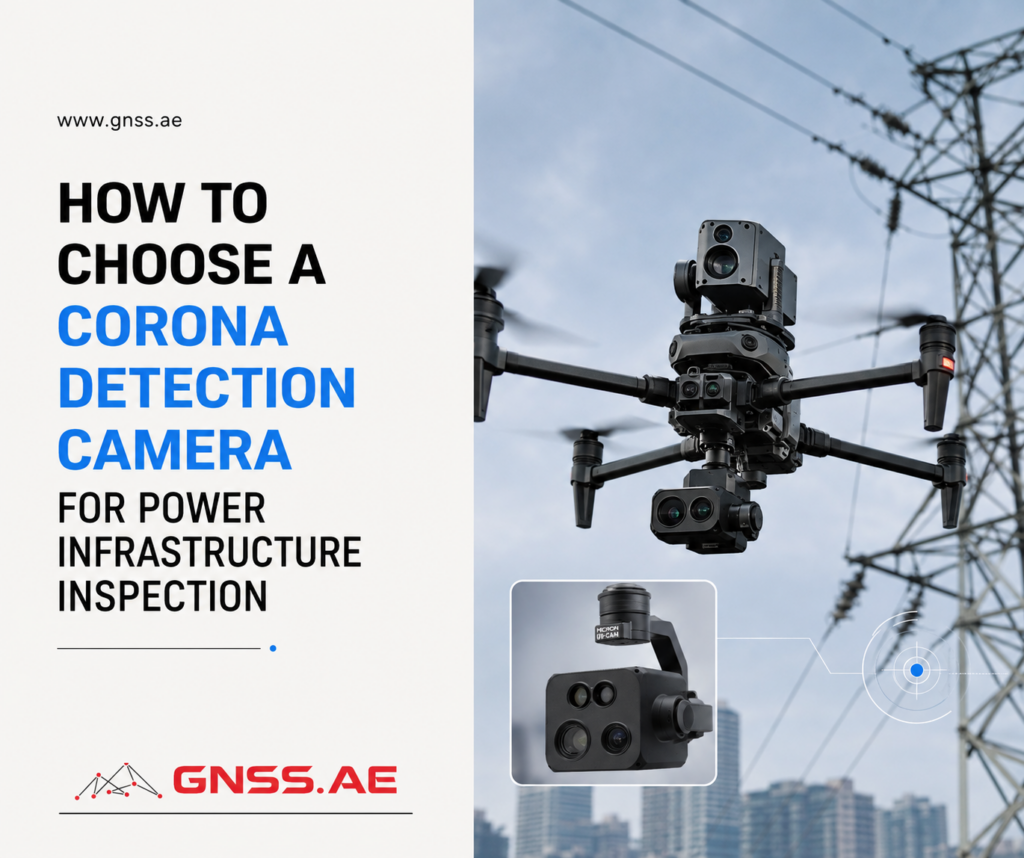
A corona inspection depends on more than the ability to detect ultraviolet radiation. The camera must also suit the asset, working distance, inspection platform and type of evidence the maintenance team needs to collect.
A 300 g payload designed for a compact drone serves a different purpose from a handheld camera used inside a substation. Some systems record only UV and visible images, while others add thermal imaging or support permanent installation on vehicles, robots and fixed monitoring stations.
This article continues our earlier overview of corona discharge detection with drones and UV cameras by looking more closely at the equipment used for the work.
Most daylight corona detection cameras operate in the solar-blind UV range of approximately 240–280 nm. Radiation from the Sun within this band is largely absorbed by the atmosphere, allowing the camera to isolate weak UV emissions from electrical discharge against a relatively dark background.
The UV signal alone, however, does not show which component is producing the discharge. Corona cameras therefore combine it with a visible image. Image-registration software places the detected UV activity over the corresponding conductor, insulator, connector or fitting.
When comparing cameras, several specifications deserve particular attention:
A rating such as 1 pC at 15 m is a controlled sensitivity result, not a guaranteed maximum field distance. Actual detection performance depends on discharge intensity, viewing angle, atmospheric conditions, camera gain and the time spent observing the target.
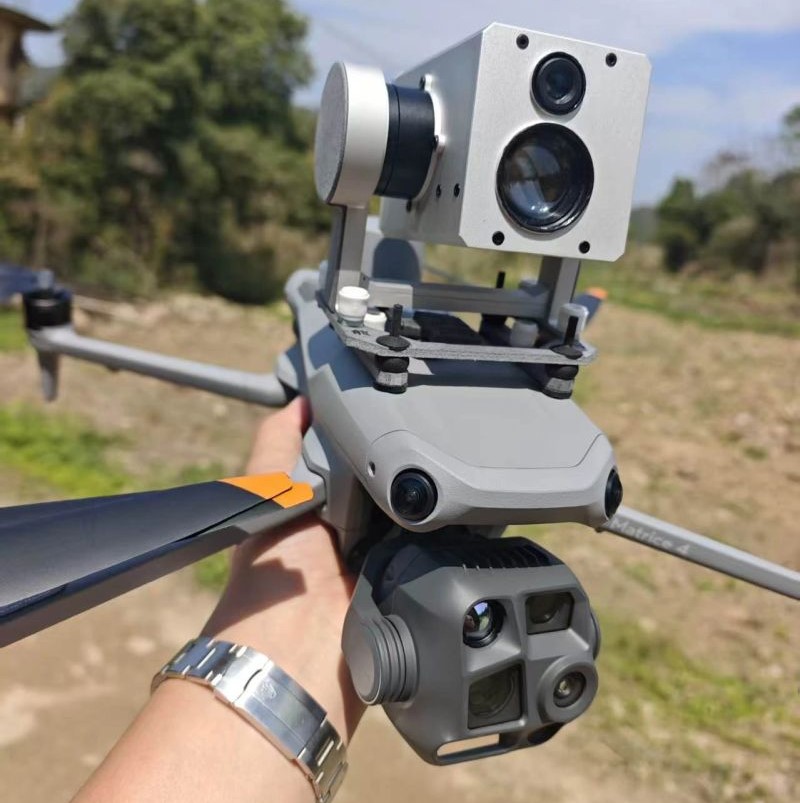
The UVIRSYS ZH480-mini is designed for DJI Matrice 4-series aircraft, including the M4, M4T and M4TD. At 300 g, it is the lightest corona detection camera in the current UVIRSYS range.
It combines solar-blind UV detection with an RGB channel and uses image registration to place UV activity over the visible image. Its listed discharge sensitivity is 1 pC at 15 m, with a UV field of view of 20° × 15°. Images and videos are recorded at 1080p.
Photon counting can be applied to the full frame or selected regions of interest. Thresholds can also be configured to generate defect classification alerts.
The ZH480-mini is suited to rapid inspections where portability and flight time are priorities. Likely applications include distribution lines, individual transmission structures and relatively short substation missions.
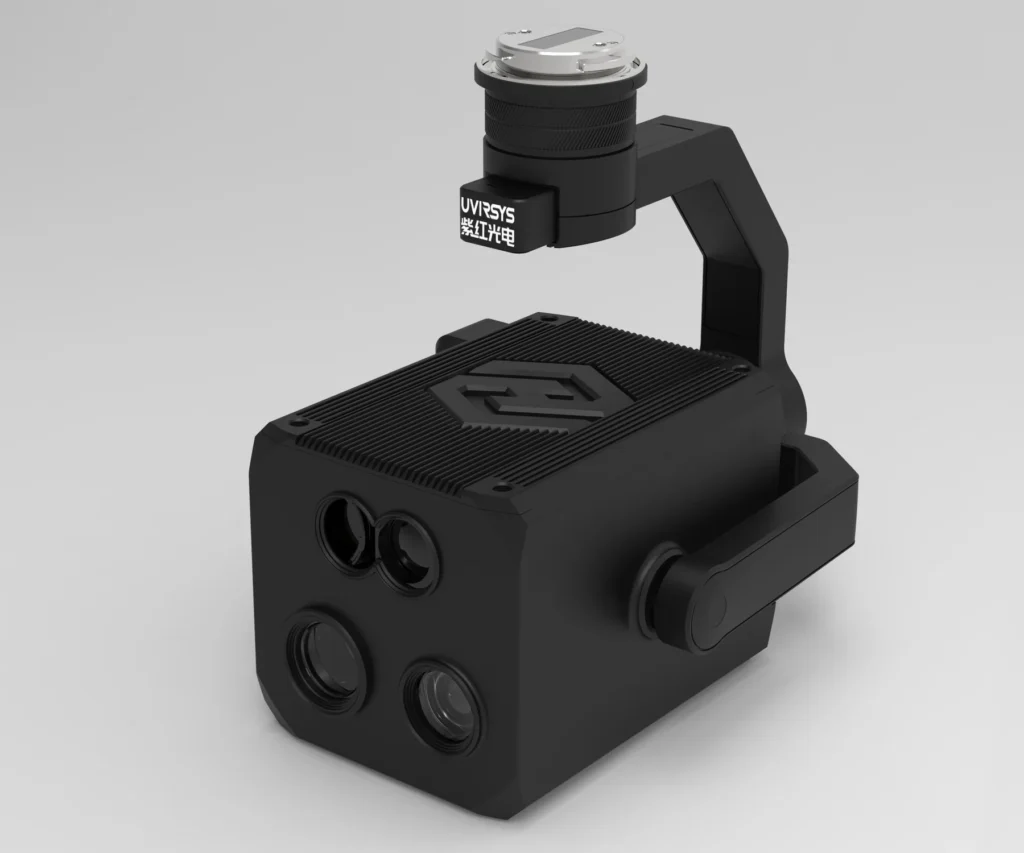
The ZH480-UAV-S is built around UV, visible and laser modules. It weighs 520 g without the pan-tilt unit and 870 g with it. The camera body has an IP54 protection rating.
Its solar-blind UV channel covers 240–280 nm and has a listed discharge sensitivity of 1 pC at 10 m. The visible channel provides 10× digital zoom, while the output system records 1280 × 720 images and video. UV activity can be displayed separately or fused with the visible image.
The camera uses the DJI Payload SDK and is intended for larger enterprise aircraft. The product description names the DJI M300 RTK, M350 and M400 platforms, although the required adapter and exact aircraft compatibility should be confirmed for each installation.
Compared with the ZH480-mini, this model is aimed at operations where a larger drone, more robust gimbal and wider payload ecosystem are already available.
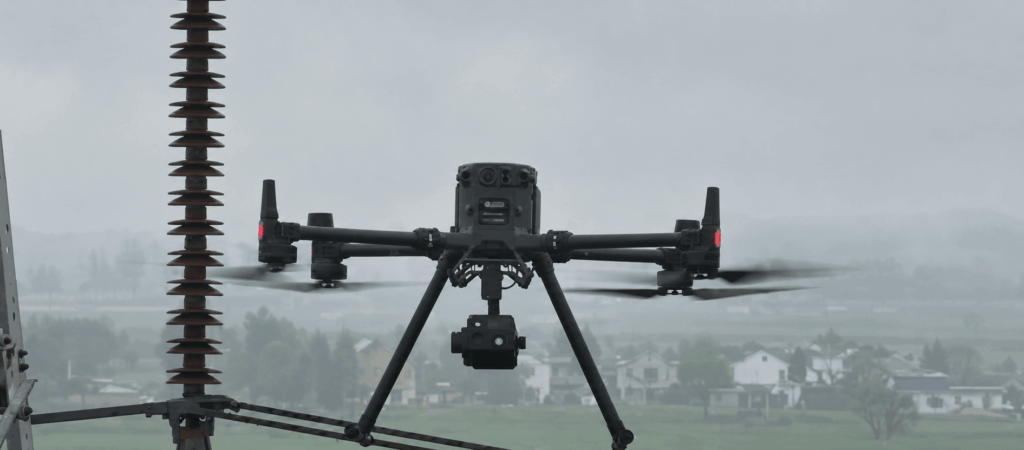
The ZH580-UAV-S expands the inspection beyond corona detection. It integrates UV, infrared, visible and laser modules into one UAV payload.
The camera weighs 550 g without the pan-tilt unit and 900 g with it. Its UV channel operates at 240–280 nm with a listed sensitivity of 1 pC at 10 m. The infrared detector has a resolution of 640 × 512 pixels and a measurement range from −20°C to +550°C.
Operators can view UV, IR and visible channels separately or use fused modes such as UV with visible, UV with IR, and UV with both IR and visible images. Photon and temperature thresholds can be configured for alarms.
This makes the ZH580-UAV-S useful when a single flight needs to check several possible failure signals:
The channels should still be interpreted separately. A weak corona discharge may produce no measurable temperature increase, while a thermal anomaly may have a completely different cause. Their value lies in providing several types of evidence from the same position and inspection pass.
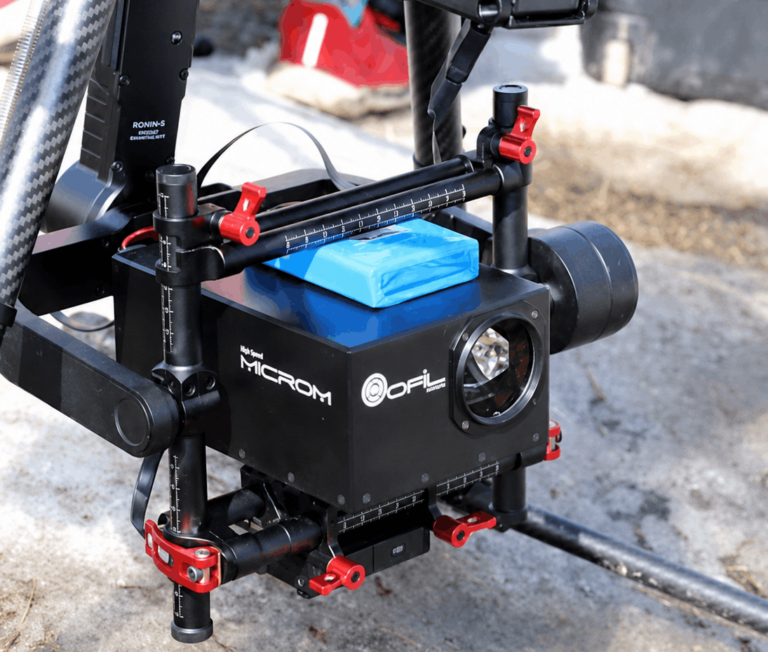
The OFIL DayCor micROM HD is a UAV-mounted UV-visible camera. It weighs 875 g, records 720p video and has a listed sensitivity of 1 pC at 8 m. Its wide 20° × 11.25° field of view helps operators scan electrical infrastructure from the air.
The camera supports PWM, MAVLink, Ethernet and UART control protocols. Integration kits are available for DJI M400 and RtRobotics HERA platforms.
Where equipment can be inspected from the ground, a drone may add unnecessary complexity.
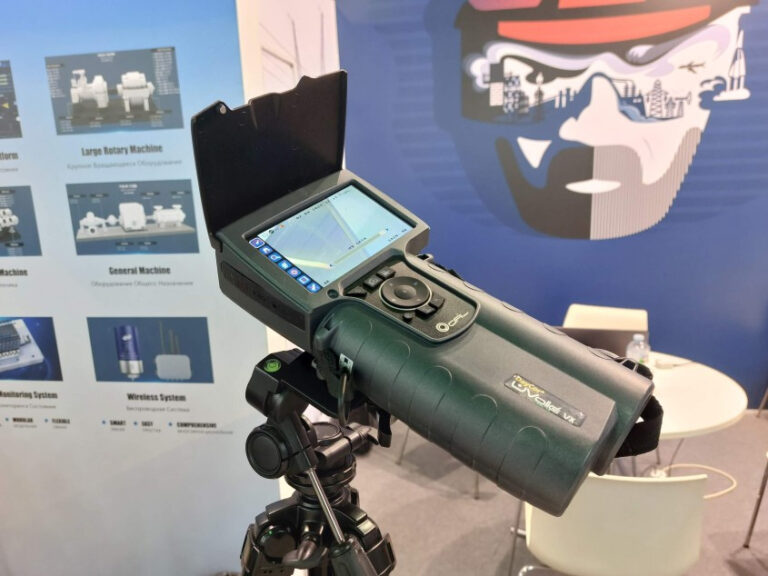
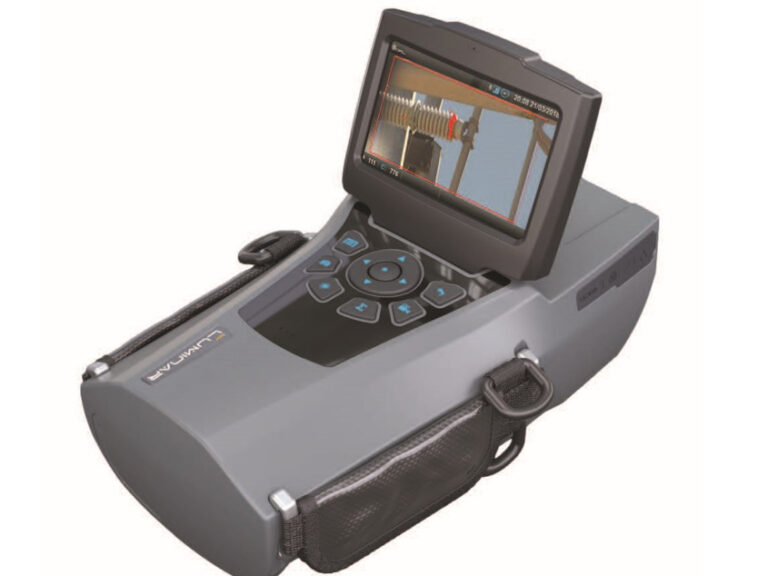
The DayCor Luminar HD provides 720p UV-visible imaging, built-in GPS and a listed sensitivity of 1 pC at 15 m. It weighs 2.2 kg and offers 12× optical and 12× digital zoom on the visible channel.
The DayCor UVollé SX/VX is a lighter 1.39 kg system with a sensitivity rating of 1 pC at 12 m. It is intended for indoor and outdoor inspections and can record photon counts, environmental information and supporting visual data. The SX and VX versions differ mainly in their still-image and video recording capabilities.
These cameras are suitable for substations, industrial plants, workshops, high-voltage laboratories, rotating machinery and components that can be observed safely from the ground.
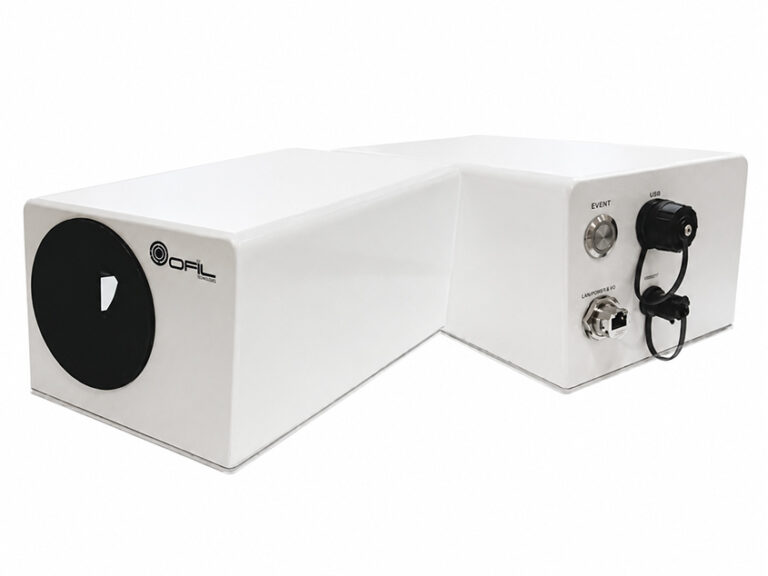
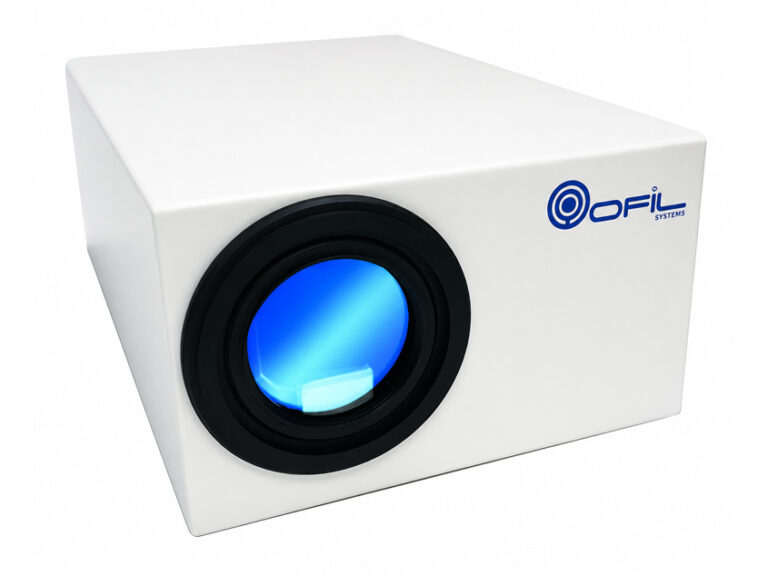
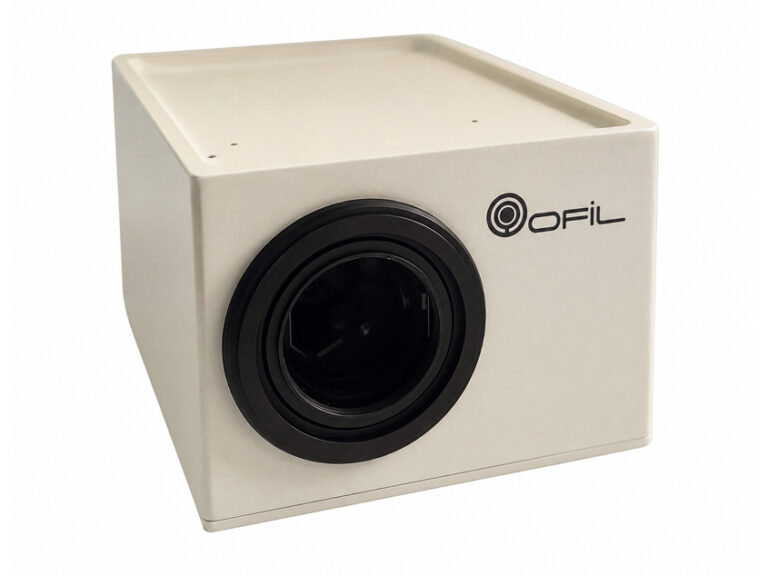
The UV Eye, UV Eyelite and UV EyeScope are camera cores rather than complete handheld inspection devices.
They are designed for integration into fixed monitoring systems, pan-tilt units, railway inspection vehicles, ground robots and other OEM platforms. The models have IP65 protection and support remote control through network interfaces and APIs.
This type of corona detection camera makes sense when the same equipment or route must be monitored repeatedly without an inspector manually aiming the camera each time.
Camera | Configuration | Sensor channels | Main use |
UVIRSYS ZH480-mini | Compact UAV payload | UV + RGB | Fast inspections with Matrice 4-series drones |
UVIRSYS ZH480-UAV-S | Enterprise UAV payload | UV + visible + laser | Transmission lines and substations using larger DJI platforms |
UVIRSYS ZH580-UAV-S | Multispectral UAV payload | UV + IR + visible + laser | Combined corona, thermal and visual inspection |
OFIL micROM HD | UAV payload | UV + visible | Aerial corona inspection with flexible integrations |
OFIL Luminar HD | Handheld | UV + visible | Detailed ground inspections and long-range observation |
OFIL UVollé SX/VX | Handheld | UV + visible | Portable indoor and outdoor inspection |
OFIL UV Eye family | Fixed/OEM camera cores | UV + visible | Vehicles, robots, railways and continuous monitoring |
Corona cameras now cover several distinct inspection formats. Lightweight UVIRSYS payloads can travel on compact drones, larger systems support enterprise UAV operations, and the ZH580-UAV-S adds thermal data to the same aerial inspection. OFIL extends the range with UAV, handheld and permanently integrated solutions.
The most appropriate camera is therefore determined by where the inspection takes place, how close the sensor can safely operate and what information the maintenance team needs after the flight or site visit.
For compact DJI Matrice 4-series drones, the UVIRSYS ZH480-mini is the lightest option discussed here. The ZH480-UAV-S, ZH580-UAV-S and OFIL micROM HD are designed for larger UAV platforms and more demanding inspections.
Not reliably. Corona may occur without producing a clear temperature increase. A solar-blind UV camera is designed to detect its ultraviolet emissions, while a thermal camera identifies heat.
.
The UVIRSYS ZH580-UAV-S combines UV, infrared and visible imaging in one drone payload.
It is a sensitivity rating showing that the camera detected a calibrated discharge source of 1 picocoulomb at a distance of 15 metres under specified test conditions. It is not a guaranteed working distance for every field defect.
Yes. The models discussed here operate in the solar-blind UV range of 240–280 nm, allowing corona emissions to be detected during daylight inspections.
No. Compatibility depends on payload weight, mounting hardware, gimbal, communication protocol and aircraft firmware. The complete configuration should be confirmed before purchase.